
Smoke Testing vs. Sewer Camera Inspection: Which Test Should a Plumber Use?
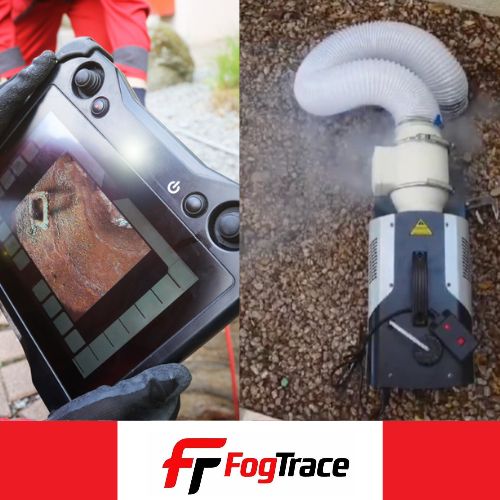
Smoke Testing vs. Sewer Camera Inspection: Which Test Should a Plumber Use? Use a sewer camera inspection to investigate visible conditions inside accessible drain and sewer lines. Use plumbing smoke testing to investigate openings in the drain, waste, and vent system that may allow sewer odors to escape. When a job involves both drainage problems and unexplained odors, the two methods can complement each other. For plumbers, choosing the right diagnostic tool starts with the customer’s complaint. A recurring backup calls for a different investigation than a sewer smell in a bathroom where every fixture drains normally. The FogTrace™ Plumbing Smoke Test Machine gives contractors another way to investigate suspected plumbing openings using dense, visible test fog. Understanding how it complements a sewer camera helps plumbers choose a useful next step. What Can a Sewer Camera Inspection Reveal? A sewer inspection camera provides a view inside the piping it can reach. It helps plumbers inspect pipe conditions, document findings, and identify areas needing further investigation. Depending on access and visibility, a camera may reveal: Root intrusion and obstructions. Grease, scale, or debris buildup. Visible cracks, damaged sections, or displaced joints. Standing water that warrants further investigation. Recorded footage can also help explain findings to customers and property managers. Compatible locating equipment can help establish the camera head’s position above ground. Sewer Camera Inspection Limitations A camera only shows the areas it reaches and the surfaces visible to its lens. Obstructions, water, buildup, and difficult turns can restrict the inspection. Manufacturer instructions specifically recognize that water may interfere with viewing and that some obstructions can prevent camera passage or retrieval. A visual inspection also does not, by itself, establish that the entire DWV system is gas-tight. Seeing an apparently intact main drain does not explain every possible odor pathway around fixtures or through separate vent piping. What Can Plumbing Smoke Testing Reveal? Plumbing smoke testing introduces visible test smoke or fog into an appropriately prepared section of the DWV system. Escaping fog can help identify openings that deserve closer inspection. Potential findings include: Open or uncapped drain connections. Leaking vent piping or fittings. Open pathways associated with missing or dry trap seals. Leakage around a toilet connection. Smoke testing is particularly relevant when the complaint involves sewer odors rather than restricted drainage. Sewer Assassin’s existing smoke testing guidance identifies hidden DWV leaks and sewer odor investigations as applications for FogTrace. Plumbing Smoke Testing Limitations Visible fog identifies a pathway under the conditions of the test. It does not automatically establish the full extent of damage or prove that the opening explains every reported symptom. Likewise, no visible fog escaping does not conclusively rule out every defect. Test coverage, preparation, access, and the ability to observe the suspected area affect how findings should be interpreted. Where Does FogTrace Fit Into the Inspection? The FogTrace™ Plumbing Smoke Test Machine uses high-density, water-based fog fluid to produce visible test fog for plumbing diagnostics. It provides a reusable alternative to disposable smoke candles and includes remote and manual controls. Follow the equipment instructions when preparing and testing the system. For a plumber who already uses a sewer camera, FogTrace adds a different type of evidence: where test fog escapes from the plumbing system. The camera provides an internal view, while smoke testing helps investigate potential leakage pathways. Which Test Should a Plumber Use First? The following table offers a practical starting point. The inspection sequence should reflect the site conditions and initial findings. Customer complaint Useful starting approach Recurring backups or slow drainage Camera inspection, with cleaning when needed for access and visibility Sewer odor with otherwise normal drainage Fixture and trap checks, followed by smoke testing when appropriate Suspected root intrusion or pipe obstruction Camera inspection Suspected hidden vent leak or uncapped connection Smoke testing Both drainage trouble and unexplained odors Consider both methods When Do Smoke Testing and Camera Inspections Complement Each Other? Consider a hypothetical service call involving recurring drain trouble and a sewer odor near a remodeled bathroom. A camera inspection may identify buildup or visible pipe damage in the accessible drain. However, that finding may not explain the odor. After addressing the drainage issue, a properly prepared smoke test may help investigate a separate opening associated with the bathroom plumbing. The reverse sequence can also be useful. If smoke testing identifies a suspicious area, a camera inspection may help examine an accessible connected line. Using both methods gives the plumber additional evidence for deciding what to investigate, repair, and document. After repairs, select verification methods appropriate to the work completed. Add The FogTrace Smoke Test Machine For Plumbers to Your Plumbing Diagnostic Toolkit Sewer cameras and plumbing smoke testing answer different questions. Choosing the appropriate method, or combining them when warranted, helps plumbers build a clearer picture of the problem. Explore the FogTrace™ Plumbing Smoke Test Machine to add visible fog testing to your diagnostic services. Call Sewer Assassin at 602-702-1018 to learn more. FAQs About Plumbing Smoke Testing and Sewer Camera Inspections 1. What is the difference between plumbing smoke testing and a sewer camera inspection? A sewer camera inspection shows visible conditions inside accessible drain and sewer pipes, including obstructions, roots, and damaged sections. Plumbing smoke testing uses visible smoke or fog to investigate openings in the drain, waste, and vent system that may allow sewer odors to escape. 2. Which test should a plumber use first for sewer odors? Start by checking fixtures, trap seals, and accessible connections. If the odor remains unexplained, plumbing smoke testing may help locate hidden leakage pathways. A camera inspection can provide additional information when drainage problems or suspected internal pipe damage are also present. 3. Can a sewer camera inspection rule out plumbing leaks that cause odors? No. A camera only shows the piping it can reach and the surfaces visible to its lens. It may miss openings in separate vent lines, fixture connections, or other inaccessible areas. An apparently intact drain line does not establish that
How Do Glue Boards Help Identify Sewer-Based Pest Activity?
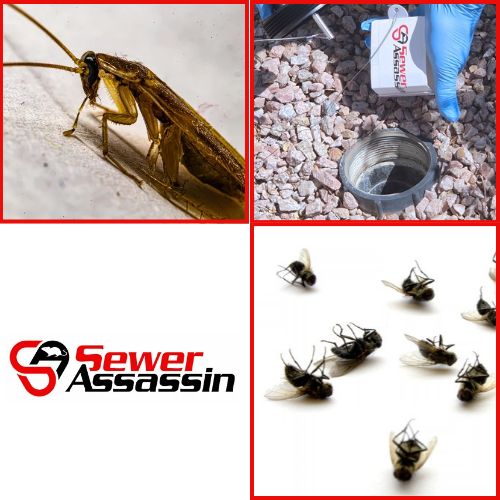
How Do Glue Boards Help Identify Sewer-Based Pest Activity? If you have ever battled drain flies or American cockroaches, you understand how challenging these pests can be. You complete the inspection, perform the appropriate treatments, address sanitation concerns, and monitor the areas where activity has been reported. The problem appears to improve—then the pests return between service visits. When standard treatment methods are not producing lasting control, it may be time to look beyond the occupied space and investigate the plumbing system. Glue Boards Provide More Than a Pest Count Monitoring boards and fly-light glue boards are valuable tools on almost any pest-control account. They help identify where pests are active, measure population levels, reveal patterns, and show whether a treatment program is working. However, a monitoring board placed inside a kitchen, restroom, utility room, or commercial facility can only confirm that the pest is present in that area. It does not necessarily identify where the infestation originates. That distinction becomes critical when drain flies or American cockroaches continue to reappear after standard treatments have been completed. Recurring Activity May Point to the Plumbing Drain flies not only breed in organic material inside drains, but they also thrive deep in plumbing systems. Damaged pipes, broken drain lines, and other areas of a plumbing system can provide a direct route into your customers’ homes or business. In most cases unseen, the crack, hole, or break in the pipe is most often concealed. American cockroaches can travel through sewer lines and enter a structure through damaged plumbing, failed seals, dry traps, open connections, or other hidden breaches. Standard pest-control treatments are typically performed in the accessible areas of a structure. If the source of the infestation is inside the plumbing, those treatments may reduce the pests that emerge without reaching the population where it originates. This can create a frustrating cycle: activity drops after service, pests continue moving in from the plumbing, and the infestation returns before the next visit. Monitor Pests Directly Inside the Plumbing System The Sewer Assassin™ Monitoring Glue Board is designed for use with the Sewer Assassin Plumbing Monitor and Control Station. Its compact 4-inch-by-2-inch design allows it to be placed directly inside either a 3-inch or 4-inch plumbing cleanout. Instead of only monitoring the room where pests are being observed, the board allows the pest professional to monitor the plumbing system itself. If the same drain flies or American cockroaches being found inside the structure are captured in the cleanout, the technician now has valuable evidence that the plumbing is contributing to the problem. That evidence can help move the inspection beyond assumptions and toward a targeted solution. Why Is This Proof Important? Confirming pest activity in the plumbing helps determine the next step. When the target pest is captured inside the cleanout, it may be time to convert the Sewer Assassin station from monitoring to treatment and treat the pest directly within the plumbing—where the recurring activity may be originating and where standard treatments cannot reach. Depending on the site conditions and the products permitted by the label, the station can provide a controlled access point for an appropriate plumbing treatment. Continued monitoring can then help measure the results. If pests continue to appear, or if the evidence suggests they are escaping from the plumbing into the structure, a professional plumbing fog test may be needed to locate a hidden breach. The process is simple: Monitor directly inside the plumbing cleanout. Compare the evidence. Treat the directly in the plumbing using the Sewer Assassin clean out station system using products where label allows. Use plumbing fog testing when a hidden opening or damaged line is suspected. One Board, Multiple Glue Monitoring Applications For Pests Although it was designed to work inside the Sewer Assassin station, the monitoring board is not limited to plumbing applications. A small adhesive strip allows it to be secured to virtually any suitable surface. Its compact footprint makes it useful in tight, concealed, and hard-to-monitor locations where a larger board may not fit or may be easily moved. It can be placed on horizontal or vertical surfaces near suspected travel paths, behind or beneath equipment, inside cabinets, near plumbing fixtures, or in other protected monitoring locations. This versatility makes it useful for routine pest monitoring as well as sewer-based investigations. Stop Treating the Symptom and Find the Source Recurring drain-fly and American-cockroach activity is not always the result of a failed treatment. Sometimes the treatment never reaches the source. By placing a monitoring board directly inside the plumbing, pest professionals can gather the evidence needed to determine whether sewer-based pests are entering from a system that is normally out of sight and outside the reach of traditional service methods. The Sewer Assassin Monitoring Glue Board helps you detect the activity, prove where it is occurring, and make a more informed decision about treatment or plumbing smoke testing. Stop guessing. Start monitoring the plumbing—and close the final gap in your pest-control program. Buy Now! FAQs About Glue Boards for Sewer-Based Pest Monitoring How do glue boards help identify sewer-based pest activity? Glue boards placed inside a plumbing cleanout can capture pests active within the plumbing system. Comparing these captures with pests found inside the structure helps pest professionals determine whether the plumbing may be contributing to recurring activity. What pests can the Sewer Assassin™ Monitoring Glue Board help monitor? The board can help monitor drain flies and American cockroaches inside plumbing cleanouts. Captures provide evidence of activity that can guide further inspection, treatment decisions, and continued monitoring. Where can the Sewer Assassin™ Monitoring Glue Board be installed? The compact 4-inch-by-2-inch board is designed for use with the Sewer Assassin Plumbing Monitor and Control Station in 3-inch or 4-inch cleanouts. It can also be secured to suitable surfaces in protected locations, including behind equipment, inside cabinets, and near plumbing fixtures. Does capturing pests inside a cleanout prove they are entering the building through the plumbing? A capture confirms pest
How Often Should Pest-Control Glue Boards Be Checked and Replaced?
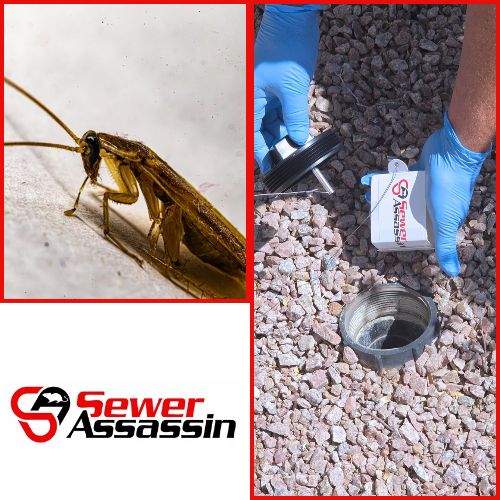
How Often Should Pest-Control Glue Boards Be Checked and Replaced? Glue boards are simple monitoring tools, but the information they provide is only useful when they are inspected consistently, kept in serviceable condition, and properly documented. A board that remains unnoticed behind a piece of equipment for several months may contain insects, dust, grease, or moisture—but it may no longer provide an accurate picture of current pest activity. Effective monitoring requires more than placing a board and waiting for the next scheduled service. So how often should pest-control glue boards be checked and replaced? The answer depends on the pest pressure, the environment, the purpose of the monitor, and the conditions surrounding it. There Is No Single Schedule for Every Account Recognized integrated pest management practices are built around routine inspection, accurate identification, monitoring, documentation, and decisions based on the results. The correct schedule should therefore match the risk at the account rather than rely on one universal replacement date. As a practical guideline: New or active infestations: Check boards daily, or as frequently as access allows, during the initial assessment. The University of California Statewide IPM Program recommends checking cockroach traps daily at first so the areas producing the greatest captures can be identified. High-risk or sensitive accounts: Inspect at least weekly, and more frequently when pest pressure, sanitation conditions, audit requirements, or customer concerns justify it. Established routine-monitoring programs: Inspect every board during each scheduled pest-control service. Monthly service may be appropriate for a stable, low-pressure location, but only if the account’s risk level and monitoring history support that interval. After treatment or corrective work: Recheck soon enough to determine whether activity is declining. Waiting until the next distant service visit can delay necessary adjustments. After a new complaint: Inspect the existing monitors immediately and add boards near the reported activity when needed. The inspection frequency should increase when captures rise, conditions change, or a persistent problem is being investigated. It may be reduced after control has been established, provided the monitoring program remains consistent. Check the Board—Do Not Just Count the Pests Each inspection should evaluate both the captures and the condition of the monitoring board. Look for: The pest species captured The number of pests on the board Adult and immature life stages The location and orientation of each capture Changes compared with previous inspections Evidence that activity is moving toward or away from a particular area Ants or other insects removing captured specimens Dust, grease, water, or debris covering the adhesive A board that has shifted away from the intended travel route One cockroach on the correct board may be more informative than several captures on a board that was poorly placed. The purpose is to understand where the pest is coming from, where it is traveling, and whether the control strategy is working. When Should a Glue Board Be Replaced? A glue board should be replaced whenever its ability to capture pests or provide reliable information has been reduced. Do not wait for a predetermined date if the board has already become ineffective. Replace the board when: The adhesive is covered with dust, grease, food particles, hair, or debris. The board becomes wet or is exposed to excessive humidity or condensation. Cleaning solutions, pesticides, or other chemicals contaminate the surface. The board is crushed, folded incorrectly, damaged, or moved out of position. Captured insects cover enough of the adhesive to reduce the available monitoring area. The board can no longer be read or the captures can no longer be identified accurately. The adhesive has dried out or lost its tack. The manufacturer’s recommended service life has been reached. A clean board in a protected location may remain usable longer than one placed near a floor drain, beneath greasy cooking equipment, or inside a damp mechanical room. Condition—not age alone—should determine whether the board is still serviceable. Moisture Can Quickly Make a Board Unreliable Glue boards are often needed most in the same areas where moisture is common: beneath sinks, near floor drains, around water heaters, inside mechanical rooms, and along plumbing pathways. Direct water contact can reduce the effectiveness of the adhesive, distort the board, wash away evidence, or make captures difficult to interpret. Condensation, repeated washdowns, leaks, and high humidity can cause similar problems over time. Place boards close enough to monitor the suspected route but far enough away to remain dry. When a board must be used in a damp environment, protect it from direct water and inspect it more frequently. If the monitor repeatedly becomes wet, correct the moisture source when possible or select a nearby protected placement that still intersects the pest’s travel path. Contamination Can Hide the Real Activity Level Dust, flour, grease, food residue, and airborne debris can coat a glue surface long before the board appears full. In commercial kitchens, warehouses, mechanical areas, and production facilities, a contaminated board may stop performing effectively even though only a few insects are visible. Chemical contamination can also affect results. Cleaning products and pesticide applications may damage the adhesive, repel pests from the area, or make comparisons with earlier boards unreliable. Technicians should avoid spraying directly on or immediately around monitoring boards unless the product directions and treatment plan specifically allow it. When contamination occurs, replace the board and document why it was changed. Documentation Turns Captures Into Useful Evidence Industry-standard IPM programs depend on recorded monitoring results. The U.S. Environmental Protection Agency describes IPM as a cycle of inspection, identification, monitoring, evaluation, and selecting the appropriate control method. EPA guidance for buildings also recommends recording monitoring results and inspection findings so the plan can be updated in response to what the evidence shows. Each board should have a unique number or location identifier. At every inspection, record: The date inspected The exact location The target pest and species, when identifiable The number and life stages captured The condition of the board Whether it was left in place or replaced Sanitation, moisture, structural, or plumbing conditions observed nearby Treatments
How to Prepare a House for a Plumbing Smoke Test

How to Prepare a House for a Plumbing Smoke Test A plumbing smoke test machine is one of the most effective ways for plumbers to locate hidden problems in a drain, waste, and vent system. By introducing visible smoke or fog into the plumbing system, a technician can identify places where sewer gas may be escaping through damaged pipes, loose fittings, failed seals, disconnected vents, or other openings. Proper preparation matters. Preparing the property before starting a plumbing smoke test can make the inspection easier, help technicians see where smoke is escaping, and reduce unnecessary confusion during the test. Below is a practical guide to how to prepare a house for a plumbing smoke test, including what plumbers should check before introducing smoke into the system. What Is a Plumbing Smoke Test? A plumbing smoke test involves introducing visible smoke or fog into a building’s DWV system and watching for places where it escapes. If the plumbing system is properly sealed, the test medium should remain within the piping and exit through intended vent openings. When smoke or fog appears somewhere unexpected, it can help point the plumber toward a potential defect. Plumbers may use smoke testing to investigate problems such as: Persistent sewer gas odors Intermittent drain smells Cracked or damaged plumbing vents Loose or disconnected fittings Failed toilet seals Open or abandoned drain connections DWV leaks hidden behind walls or ceilings Problems that are difficult to identify visually A plumbing smoke test machine can make the diagnostic process easier by producing visible fog that technicians can follow throughout the plumbing system. 1. Talk With the Property Owner Before the Test Before beginning a plumbing smoke test, explain what will happen during the inspection. Let occupants know that visible smoke or fog may appear if there is an opening in the plumbing system. Depending on where a defect is located, fog could potentially appear near plumbing fixtures, walls, ceilings, cabinets, mechanical areas, or other parts of the property. Property owners should also know that the appearance of fog does not necessarily mean that the visible location is the exact point of the plumbing defect. Smoke can sometimes travel through wall cavities or other concealed spaces before becoming visible. Good communication helps prevent confusion during the test. 2. Identify the Plumbing System Being Tested Before introducing smoke, determine which portion of the DWV system needs to be evaluated. In a small house, a plumber may test a large portion of the system at once. In larger homes or buildings, it may be more effective to isolate sections. Pay attention to: Bathrooms Kitchens Laundry areas Floor drains Cleanouts Plumbing vent stacks Basement drains Utility rooms Recently remodeled areas If the complaint is a sewer gas odor, ask the customer where and when the smell is most noticeable. That information can help determine which part of the plumbing system should be investigated first. 3. Check Plumbing Traps One important step when preparing a house for a plumbing smoke test is checking the building’s traps. P-traps are designed to hold water and create a barrier between the occupied space and the drainage system. Inspect fixtures such as: Sinks Showers Bathtubs Floor drains Laundry drains Utility sinks If a trap is dry, smoke may escape through the fixture even though there is no damaged pipe. That could create a misleading result. Plumbers should verify the condition of the traps before testing and determine whether they should contain water based on the test procedure being performed. 4. Inspect Toilets and Fixture Connections Toilets are another important area to evaluate before a plumbing smoke test. A deteriorated toilet seal or improperly seated toilet can allow sewer gas to enter a bathroom. Before starting the test, look for signs such as: Movement at the toilet base Previous water leakage Damaged caulking Sewer odors around the toilet Recently replaced toilets Loose mounting hardware During the plumbing smoke test, fog appearing around the toilet base can provide valuable information about a possible seal or connection problem. 5. Locate Cleanouts The plumber should identify accessible plumbing cleanouts before beginning the test. A cleanout may provide a convenient access point for introducing smoke or fog into the drainage system, depending on the plumbing configuration and testing method. Cleanouts may be located: Outside the home Near the foundation In a basement In a garage Inside utility rooms Behind access panels Knowing where the cleanouts are located beforehand can save time once testing begins. 6. Check for Open or Abandoned Plumbing Connections Remodeling projects sometimes leave behind plumbing connections that are no longer being used. Examples may include: Removed sinks Relocated bathrooms Abandoned floor drains Old laundry connections Previous appliance drains If an abandoned pipe was not properly capped or sealed, it could provide a path for sewer gas. A plumbing smoke test can be particularly useful for identifying these hidden openings. 7. Provide Access to Suspected Areas If the customer has been experiencing a sewer gas smell in a particular area, make sure the plumber can access that location. Move objects away from areas such as: Under sinks Around toilets Mechanical rooms Utility closets Basement plumbing Wall access panels Plumbing chases Technicians should be able to observe the suspected area while the plumbing smoke test is underway. Fog can sometimes appear briefly, so visibility is important. 8. Examine Plumbing Vents The vent system should also be considered before testing. Plumbing vents allow gases and air pressure to move through the drainage system and normally terminate outdoors. Problems may include: Cracked vent pipes Loose fittings Disconnected vent sections Improperly capped piping Damage inside walls or attic spaces Smoke testing can help reveal defects that may otherwise remain hidden behind finished surfaces. 9. Consider HVAC and Air Movement Air movement can affect how visible fog behaves after escaping from a plumbing defect. Ceiling fans, exhaust fans, open windows, or HVAC airflow may move the fog away from the actual leak location. When practical, controlling unnecessary air movement during the inspection can make it
Where Should Glue Boards Be Placed for Cockroach Monitoring?
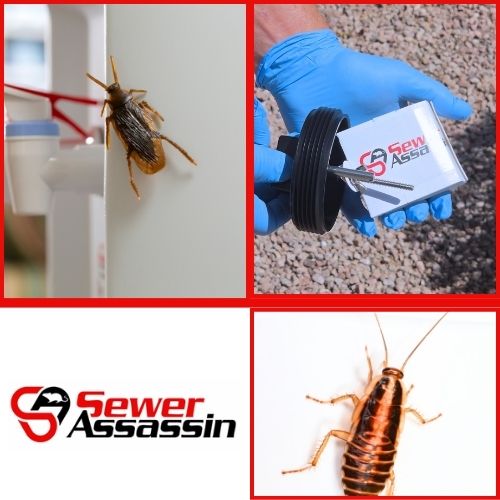
Where Should Glue Boards Be Placed for Cockroach Monitoring? Glue boards are one of the most useful tools available for cockroach monitoring—but only when they are placed correctly. A glue board in the middle of an open room may catch an occasional insect, but it will not provide the same information as a board positioned along a cockroach travel route. Strategic placement helps pest professionals determine where cockroaches are active, how they are moving, which areas require treatment, and whether the control program is working. The goal is not simply to catch cockroaches. The goal is to turn each capture into useful information. Follow the Edges Cockroaches generally prefer to travel along walls, equipment edges, pipes, cabinets, and other protected surfaces rather than cross open areas. Glue boards should therefore be placed flush against these edges, with the openings facing the direction of travel whenever possible. Good monitoring locations are typically dark, warm, protected, and close to food, water, moisture, or a suspected harborage. Boards should remain accessible for inspection but should be positioned where cleaning, foot traffic, water, grease, or equipment movement will not damage or displace them. For an effective monitoring program: Place boards directly against walls and other travel edges. Use several boards to define the activity zone rather than relying on a single monitor. Date and number each board. Record each location on a service diagram or monitoring log. Inspect the boards consistently and compare captures over time. Replace boards when they become dusty, wet, contaminated, full, or no longer sticky. Keep monitors away from areas where pesticide applications, cleaning chemicals, excessive heat, or washdowns may affect their performance. Follow the glue-board manufacturer’s directions and all facility requirements. Kitchens and Food-Service Areas Kitchens offer cockroaches nearly everything they need: food, water, heat, grease, and numerous concealed spaces. Monitoring should focus on the protected routes connecting those resources. Useful kitchen placements include: Under and behind refrigerators, freezers, ovens, fryers, and cooking equipment Beneath sinks and dishwashing stations Along wall-floor junctions and toe-kick voids Near plumbing and utility penetrations Behind prep tables, counters, and storage racks Near grease lines, beverage stations, and warm motors Inside appropriate cabinet voids and other protected areas Near floor sinks and drains without placing the board where it will become wet Do not place boards where food can contact them or where they may interfere with cleaning and normal operations. When possible, place monitors just outside the wettest or hottest area while keeping them directly on the suspected travel route. Bathrooms Bathrooms are another important monitoring area because plumbing fixtures provide moisture and multiple pathways into walls, floors, and drain systems. Place glue boards: Behind toilets Under sinks and vanities Near pipe penetrations Along wall edges beside plumbing fixtures Near floor drains, while protecting the board from water Inside accessible plumbing chases or service areas Recurring American cockroach activity in a bathroom should raise questions about the plumbing system, especially when standard interior treatments provide only temporary relief. Mechanical, Utility, and Boiler Rooms Mechanical rooms often contain warmth, condensation, floor drains, pipe penetrations, and utility chases. These conditions can create ideal cockroach travel routes and harborages. Monitors should be placed along walls and near: Water heaters and boilers HVAC and refrigeration equipment Condensate lines Pumps and sump areas Pipe penetrations Utility chases Floor drains and floor sinks Access points connecting the room to adjoining spaces Pay particular attention to areas where pipes enter walls or floors. A cockroach captured near a penetration may be traveling through a concealed pathway rather than originating in the room itself. Floor Drains and Drainage Areas Floor drains deserve close attention when monitoring for American cockroaches. Place glue boards beside the drain or along the nearest wall—not directly over the drain and not where water will destroy the adhesive. Inspect the drain for a grate, water in the trap, organic buildup, damaged components, and gaps around the drain body. A glue board near the drain can show that cockroaches are active in the area, but it does not automatically prove that they are coming through the drain. That conclusion requires additional inspection and monitoring. If several drains are present, number the boards and compare the catch levels. The pattern may help identify which drain or plumbing branch deserves further investigation. Cleanouts and Plumbing Pathways Standard glue boards should also be placed near accessible plumbing cleanouts, pipe chases, wall penetrations, and other points where plumbing passes through the structure. Look for gaps around pipes, loose or missing cleanout caps, damaged seals, abandoned lines, and openings connecting the plumbing pathway to occupied areas. Place monitors against the closest wall or edge and on the likely path between the plumbing access point and the area where cockroaches are being reported. These placements can help establish a pattern. If captures increase as the monitors get closer to a cleanout or plumbing chase, the plumbing system may be contributing to the infestation. However, conventional monitoring around the plumbing still leaves one important question unanswered: Are the cockroaches actually present inside the plumbing system? Use the Captures to Build a Map Glue-board results should never be evaluated in isolation. Compare the number, species, life stages, and condition of the cockroaches captured at each location. Multiple life stages may suggest nearby reproduction. Concentrated captures may point toward a harborage or entry route. Captures that decrease after treatment can demonstrate progress, while repeated activity between services can show that the source has not been eliminated. Avoid moving monitors randomly from visit to visit. Consistent locations create meaningful comparisons and make it easier to recognize changes in the infestation. Did You Know You Can Now Monitor Directly Inside the Plumbing System? Traditional glue-board placement helps identify where cockroaches are active inside a structure. The Sewer Assassin™ Monitoring Glue Board for American roaches and other sewer-based pests takes the investigation one step further by allowing pest professionals to monitor directly inside the plumbing system. The compact 4-inch-by-2-inch board is designed for use with the Sewer Assassin Plumbing
How Glue Board Monitoring Helps Identify Sewer-Based Pest Activity Inside Plumbing
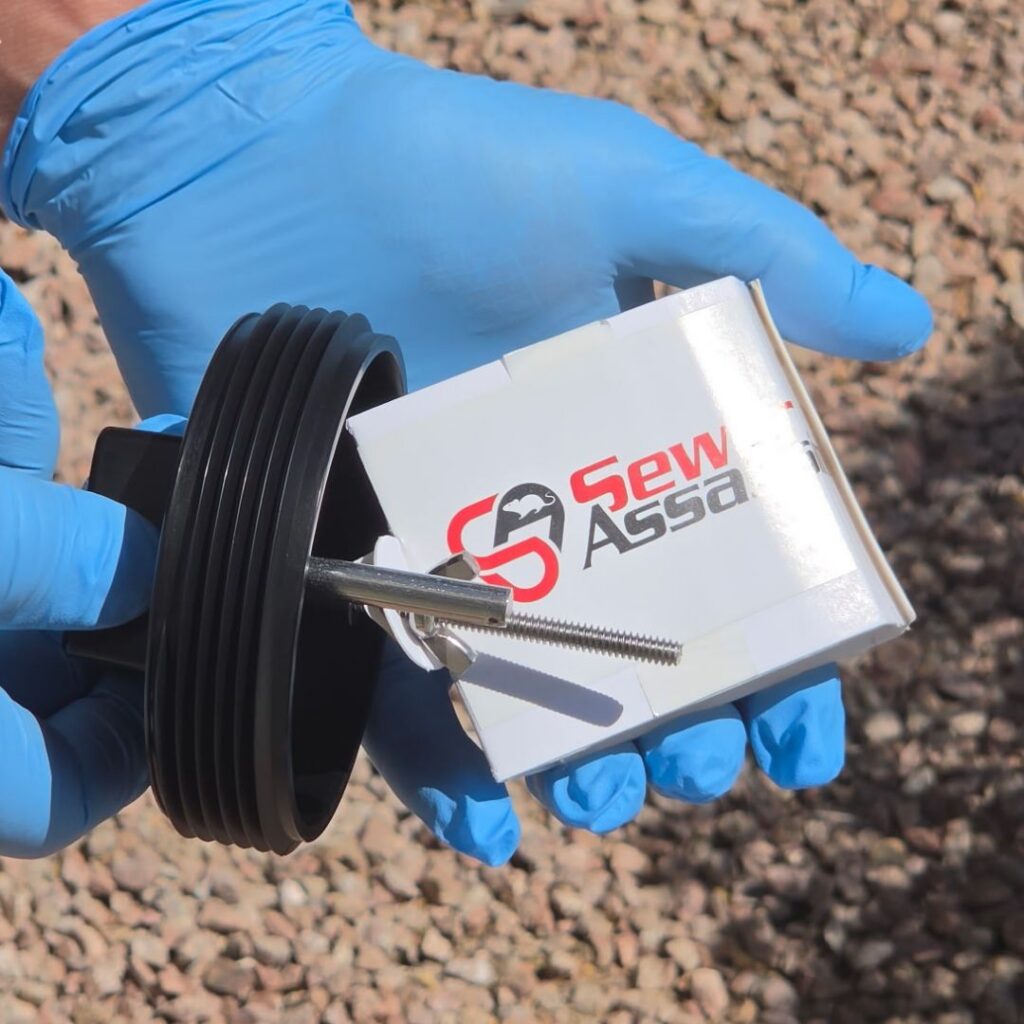
A New Way to Prove Sewer-Based Pest Activity: Monitoring Directly Inside the Plumbing Pest monitoring is one of the most important parts of a successful pest-control program. Glue boards help professionals determine what pests are present, where they are traveling and whether a treatment program is working. But traditional monitoring has always had one major limitation: glue boards are normally placed inside the structure. What if the pests being captured indoors are actually coming from the plumbing system? The new Sewer Assassin monitoring glue board gives pest-management professionals a simple way to answer that question. Designed for use with the Sewer Assassin Plumbing Monitor and Control Station, the board can be deployed directly inside a 3-inch or 4-inch plumbing clean-out. For the first time, pest professionals can monitor where the problem may actually begin—inside the plumbing. Understanding Sewer-Based Pests Rodents, American cockroaches and drain flies are three major pest groups associated with sewer and drain systems. American Cockroaches American cockroaches thrive in warm, damp environments containing food and organic material. Municipal sewers, grease lines and building drain systems can provide ideal conditions for them. They may travel through plumbing lines and enter a structure through damaged pipes, open connections, failed seals, floor drains and other plumbing defects. Once inside, they can appear in bathrooms, kitchens, mechanical rooms and other areas connected to the drain system. Repeated interior treatments may reduce the visible activity without correcting the route the cockroaches are using to enter. Drain Flies Drain flies reproduce in the organic film that accumulates inside drains, sewer lines and other wet plumbing environments. While some drain-fly problems originate near a fixture, others may be connected to damaged or contaminated plumbing below the building. When flies continue appearing after the visible drains have been cleaned and treated, a hidden plumbing source should be considered. Monitoring directly inside the plumbing can help determine whether the flies are already present within the system. Sewer-Related Rodents Rats can live and travel through municipal sewers and private plumbing laterals. They may enter buildings through broken drain lines, open pipes, failed connections or other plumbing breaches. The glue board is primarily intended to monitor insect activity such as American cockroaches and drain flies. When rodent activity is suspected, the Sewer Assassin station can also be configured with the appropriate rodent-monitoring components to help determine whether rodents are traveling through the plumbing. How the Sewer Assassin Monitoring Glue Board Works The monitoring board attaches to the Sewer Assassin Plumbing Monitor and Control Station and is lowered or placed directly into the plumbing clean-out. Once deployed, the board monitors activity inside the drain or sewer line instead of waiting for pests to emerge somewhere inside the building. It can then be retrieved and inspected during the next service visit. If American cockroaches or drain flies are being captured inside the building and the same pests are captured on the monitoring board inside the plumbing, the technician now has something extremely valuable: evidence. There is no easier way to demonstrate that the pest being battled inside the structure is also present inside the plumbing system. That evidence helps the technician move beyond assumptions and answer an important question: Are we dealing with an isolated interior infestation, or are pests continually entering from the plumbing? Why This Is a Game Changer Recurring pest problems are frustrating for customers and pest-control companies. When the actual source is hidden inside the plumbing, repeated interior treatments may produce temporary improvement without providing a permanent solution. The Sewer Assassin monitoring board gives professionals a better process: Identify the pest activity inside the structure. Deploy the monitoring board directly inside the plumbing. Retrieve and inspect the board. Compare the plumbing capture with the interior activity. Document the evidence for the customer. Develop a control and diagnostic plan based on the findings. If the targeted pest is captured inside the plumbing, the Sewer Assassin station can be converted from monitoring to an appropriate control program using products labeled for that application. The pest professional can also recommend or perform a plumbing smoke test to locate the damaged pipe, failed seal, open connection or other breach allowing pests to move from the plumbing into the occupied space. This creates a complete progression from detection to proof, control and correction. Instead of repeatedly treating symptoms, the company can begin working toward the source of the infestation. Better Documentation and Better Customer Communication Customers may have difficulty understanding how a pest problem inside a bathroom, kitchen or commercial building could originate below the structure. A monitoring board containing the same pest found indoors provides clear, physical evidence. It helps the technician explain why traditional interior treatments alone may not solve the problem and why plumbing smoke testing or repairs may be necessary. That documentation can also help pest-control companies: Reduce unnecessary callbacks Support treatment recommendations Improve customer confidence Proof its time to run a sewer smoke test with the FogTrace Show why plumbing repairs may be required Protect recurring accounts Demonstrate the value of professional monitoring Verify whether corrective work has solved the problem After treatment or plumbing repairs, another board can be deployed to continue monitoring and help confirm that activity has stopped. It Also Works as a Traditional Monitoring Board The Sewer Assassin glue board is not limited to plumbing applications. It can also be used as a traditional pest-monitoring board in kitchens, bathrooms, utility rooms, mechanical areas, commercial accounts and other locations where pest activity needs to be measured. A small adhesive mounting strip allows the monitor to be secured to nearly any suitable surface. This keeps the board from being kicked, moved during cleaning, displaced by air movement or accidentally relocated. The technician can position it exactly where it is needed and expect it to remain there until the next service. That means one monitoring board can serve two important purposes: Direct monitoring inside plumbing through the Sewer Assassin station Secured traditional monitoring throughout the structure Stop Guessing and Start Proving The plumbing system
How Do Plumbers Find Sewer Gas Leaks?

How Do Plumbers Find Sewer Gas Leaks? Plumbers find sewer gas leaks by inspecting P-traps, toilet seals, drains, cleanouts, drain connections, and plumbing vent systems for problems that could allow sewer gas to escape. When the source can’t be found visually, a plumber may perform a plumbing smoke test. This introduces visible smoke or fog into the drain, waste, and vent (DWV) system so hidden leaks and openings can be easier to locate. Sewer gas leak detection can be challenging because the location where a customer smells the odor isn’t always where the plumbing problem is located. Sewer odors can travel through wall cavities, ceilings, utility spaces, and other areas of a building. Here are some of the methods professional plumbers can use to find the source. 1. Inspect Common Sources of Sewer Gas A plumber will typically begin with a visual inspection of the plumbing system and fixtures. Common areas to inspect include: Toilets and toilet seals Sinks and drains P-traps Floor drains Cleanouts Drain connections Exposed DWV piping Plumbing vents Pipe fittings and joints Signs of damage, loose connections, missing components, or improper installation can help narrow down the source of a sewer gas smell. If nothing obvious is found, additional testing may be needed. 2. Check P-Traps and Floor Drains A dry P-trap can be a potential source of sewer odors. P-traps are designed to hold water, creating a barrier between the building and gases inside the drainage system. When a sink, shower, floor drain, or other fixture isn’t used for an extended period, the water inside the trap can evaporate. Plumbers may check trapped fixtures to determine whether the water seal is present and functioning correctly. If restoring the water seal eliminates the odor, a dry trap may have been contributing to the problem. If the sewer smell continues, further investigation may be necessary. 3. Inspect Toilets and Plumbing Seals Toilets are another common area plumbers may investigate when trying to find a sewer gas leak. A damaged or improperly sealed toilet connection may allow sewer gas to enter the building even when there isn’t an obvious water leak. A plumber may inspect the toilet for movement, damaged seals, installation problems, or other signs that the connection to the drainage system needs attention. 4. Check the Plumbing Vent System The plumbing vent system helps regulate pressure within the drainage system and provides a route for sewer gases to exit the building. Problems with the vent system can contribute to sewer odor complaints. A plumber may inspect for: Damaged vent piping Loose connections Improperly installed vents Open or disconnected pipes Other defects in the vent system Finding a plumbing vent leak can be more difficult when the piping is concealed behind walls or above ceilings. When visual inspection isn’t enough, additional diagnostic testing may be useful. 5. Perform a Plumbing Smoke Test When the source of a sewer gas smell isn’t visible, plumbing smoke testing can help locate hidden leaks and openings in a DWV system. During a plumbing smoke test, visible smoke or fog is introduced into the drain, waste, and vent system through an appropriate access point. The plumber then inspects the property for smoke escaping from areas where it shouldn’t. Escaping smoke can help identify potential problems such as: Cracked or damaged DWV piping Loose plumbing connections Failed seals Toilet connection problems Plumbing vent defects Open or damaged cleanouts Improper plumbing connections Hidden openings that may allow sewer gas to escape This makes a plumbing smoke test particularly useful when a customer reports a persistent sewer odor but a standard inspection doesn’t reveal the source. How Does a Plumbing Smoke Test Help Find Sewer Gas Leaks? A plumbing smoke test helps plumbers locate potential sewer gas leaks by making otherwise invisible openings easier to identify. When fog is introduced into a properly prepared plumbing system, it travels through the DWV system. If there is an opening or defect, visible fog may escape from that location. Instead of relying solely on where someone smells sewer gas, the plumber has a visual indication of an area that may require further investigation. This can be particularly useful for problems located behind walls, above ceilings, around plumbing fixtures, or in other difficult-to-inspect locations. Using the FogTrace™ Plumbing Smoke Testing Machine For plumbers who regularly troubleshoot difficult sewer odor problems, the FogTrace™ Plumbing Smoke Testing Machine provides a reusable method for performing professional plumbing smoke tests. FogTrace™ generates high-volume visible fog that can be introduced into the plumbing system to help technicians identify areas where fog is escaping. Features include: Push-button operation High-volume fog output Wireless remote operation No open flame Reusable for repeated testing Designed for professional plumbing diagnostics Unlike traditional single-use smoke bombs, the FogTrace™ system uses High density fog fluid. It’s incredibly easy to source and inexpensive. For plumbing contractors who regularly receive calls involving unexplained sewer odors, an easy to use economical plumbing smoke test machine can provide a better diagnostic tool for identifying difficult-to-find problems. Why Are Sewer Gas Leaks Difficult to Find? Sewer gas leaks can be difficult to locate because where the odor is noticed may not be where the plumbing defect is located. Air movement can carry odors through: Wall cavities Ceilings Utility chases Mechanical spaces Openings around pipes Other areas of a structure For example, a customer might notice a sewer smell in a bathroom even though the actual opening is somewhere else in the DWV or plumbing vent system. This is one reason smoke testing for sewer gas leaks can be valuable. Instead of trying to locate a problem based solely on odor, the plumber can look for visible fog escaping from the system. Can a Plumbing Smoke Test Find a Leak Behind a Wall? A plumbing smoke test can help plumbers narrow down the location of a potential hidden leak or opening behind a wall, ceiling, or other concealed area. If smoke introduced into the DWV system becomes visible around a wall, ceiling, plumbing penetration, fixture, or