
Smoke Testing vs. Sewer Camera Inspection: Which Test Should a Plumber Use?
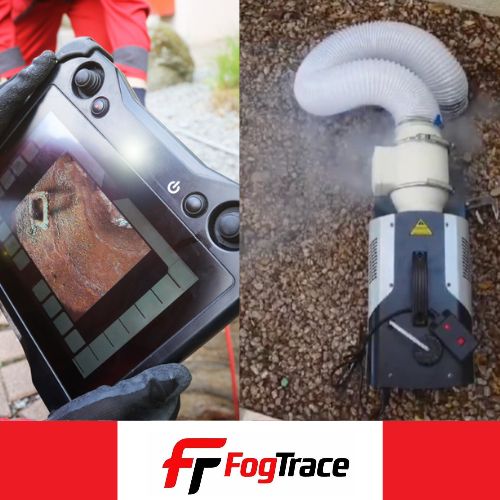
Use a sewer camera inspection to investigate visible conditions inside accessible drain and sewer lines. Use plumbing smoke testing to investigate openings in the drain, waste, and vent system that may allow sewer odors to escape. When a job involves both drainage problems and unexplained odors, the two methods can complement each other.
For plumbers, choosing the right diagnostic tool starts with the customer’s complaint. A recurring backup calls for a different investigation than a sewer smell in a bathroom where every fixture drains normally.
The FogTrace™ Plumbing Smoke Test Machine gives contractors another way to investigate suspected plumbing openings using dense, visible test fog. Understanding how it complements a sewer camera helps plumbers choose a useful next step.
What Can a Sewer Camera Inspection Reveal?
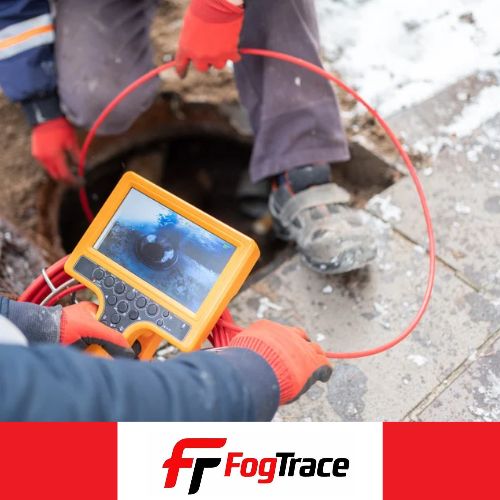
A sewer inspection camera provides a view inside the piping it can reach. It helps plumbers inspect pipe conditions, document findings, and identify areas needing further investigation.
Depending on access and visibility, a camera may reveal:
- Root intrusion and obstructions.
- Grease, scale, or debris buildup.
- Visible cracks, damaged sections, or displaced joints.
- Standing water that warrants further investigation.
Recorded footage can also help explain findings to customers and property managers. Compatible locating equipment can help establish the camera head’s position above ground.
Sewer Camera Inspection Limitations
A camera only shows the areas it reaches and the surfaces visible to its lens. Obstructions, water, buildup, and difficult turns can restrict the inspection. Manufacturer instructions specifically recognize that water may interfere with viewing and that some obstructions can prevent camera passage or retrieval.
A visual inspection also does not, by itself, establish that the entire DWV system is gas-tight. Seeing an apparently intact main drain does not explain every possible odor pathway around fixtures or through separate vent piping.
What Can Plumbing Smoke Testing Reveal?
Plumbing smoke testing introduces visible test smoke or fog into an appropriately prepared section of the DWV system. Escaping fog can help identify openings that deserve closer inspection.
Potential findings include:
- Open or uncapped drain connections.
- Leaking vent piping or fittings.
- Open pathways associated with missing or dry trap seals.
- Leakage around a toilet connection.
Smoke testing is particularly relevant when the complaint involves sewer odors rather than restricted drainage. Sewer Assassin’s existing smoke testing guidance identifies hidden DWV leaks and sewer odor investigations as applications for FogTrace.
Plumbing Smoke Testing Limitations
Visible fog identifies a pathway under the conditions of the test. It does not automatically establish the full extent of damage or prove that the opening explains every reported symptom.
Likewise, no visible fog escaping does not conclusively rule out every defect. Test coverage, preparation, access, and the ability to observe the suspected area affect how findings should be interpreted.
Where Does FogTrace Fit Into the Inspection?
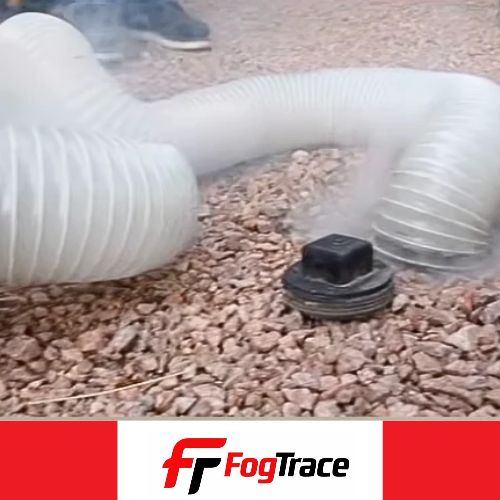
The FogTrace™ Plumbing Smoke Test Machine uses high-density, water-based fog fluid to produce visible test fog for plumbing diagnostics. It provides a reusable alternative to disposable smoke candles and includes remote and manual controls. Follow the equipment instructions when preparing and testing the system.
For a plumber who already uses a sewer camera, FogTrace adds a different type of evidence: where test fog escapes from the plumbing system. The camera provides an internal view, while smoke testing helps investigate potential leakage pathways.
Which Test Should a Plumber Use First?
The following table offers a practical starting point. The inspection sequence should reflect the site conditions and initial findings.
Customer complaint | Useful starting approach |
Recurring backups or slow drainage | Camera inspection, with cleaning when needed for access and visibility |
Sewer odor with otherwise normal drainage | Fixture and trap checks, followed by smoke testing when appropriate |
Suspected root intrusion or pipe obstruction | Camera inspection |
Suspected hidden vent leak or uncapped connection | Smoke testing |
Both drainage trouble and unexplained odors | Consider both methods |
When Do Smoke Testing and Camera Inspections Complement Each Other?
Consider a hypothetical service call involving recurring drain trouble and a sewer odor near a remodeled bathroom.
A camera inspection may identify buildup or visible pipe damage in the accessible drain. However, that finding may not explain the odor. After addressing the drainage issue, a properly prepared smoke test may help investigate a separate opening associated with the bathroom plumbing.
The reverse sequence can also be useful. If smoke testing identifies a suspicious area, a camera inspection may help examine an accessible connected line.
Using both methods gives the plumber additional evidence for deciding what to investigate, repair, and document. After repairs, select verification methods appropriate to the work completed.
Add The FogTrace Smoke Test Machine For Plumbers to Your Plumbing Diagnostic Toolkit
Sewer cameras and plumbing smoke testing answer different questions. Choosing the appropriate method, or combining them when warranted, helps plumbers build a clearer picture of the problem.
Explore the FogTrace™ Plumbing Smoke Test Machine to add visible fog testing to your diagnostic services. Call Sewer Assassin at 602-702-1018 to learn more.
FAQs About Plumbing Smoke Testing and Sewer Camera Inspections
1. What is the difference between plumbing smoke testing and a sewer camera inspection?
A sewer camera inspection shows visible conditions inside accessible drain and sewer pipes, including obstructions, roots, and damaged sections. Plumbing smoke testing uses visible smoke or fog to investigate openings in the drain, waste, and vent system that may allow sewer odors to escape.
2. Which test should a plumber use first for sewer odors?
Start by checking fixtures, trap seals, and accessible connections. If the odor remains unexplained, plumbing smoke testing may help locate hidden leakage pathways. A camera inspection can provide additional information when drainage problems or suspected internal pipe damage are also present.
3. Can a sewer camera inspection rule out plumbing leaks that cause odors?
No. A camera only shows the piping it can reach and the surfaces visible to its lens. It may miss openings in separate vent lines, fixture connections, or other inaccessible areas. An apparently intact drain line does not establish that the entire plumbing system is gas-tight.
4. When should a plumber use both smoke testing and a sewer camera?
Both methods may be useful when a property has recurring drainage problems and unexplained sewer odors. A camera can investigate internal pipe conditions, while smoke testing can help identify potential odor pathways. The inspection sequence depends on access, site conditions, and initial findings.
5. How does the FogTrace™ Plumbing Smoke Test Machine complement a sewer camera?
FogTrace produces dense, visible test fog to help plumbers investigate openings in a properly prepared plumbing system. It adds evidence about where fog escapes, complementing the camera’s internal view of accessible piping. Escaping fog identifies an area for closer inspection; it does not automatically establish the full extent or cause of the problem.