
Where Should Glue Boards Be Placed for Cockroach Monitoring?
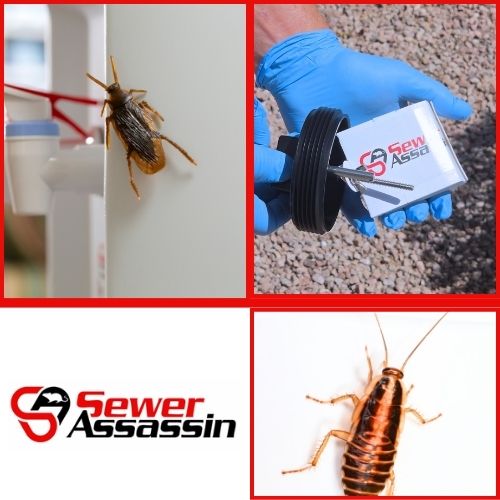
Glue boards are one of the most useful tools available for cockroach monitoring—but only when they are placed correctly.
A glue board in the middle of an open room may catch an occasional insect, but it will not provide the same information as a board positioned along a cockroach travel route. Strategic placement helps pest professionals determine where cockroaches are active, how they are moving, which areas require treatment, and whether the control program is working.
The goal is not simply to catch cockroaches. The goal is to turn each capture into useful information.
Follow the Edges
Cockroaches generally prefer to travel along walls, equipment edges, pipes, cabinets, and other protected surfaces rather than cross open areas. Glue boards should therefore be placed flush against these edges, with the openings facing the direction of travel whenever possible.
Good monitoring locations are typically dark, warm, protected, and close to food, water, moisture, or a suspected harborage. Boards should remain accessible for inspection but should be positioned where cleaning, foot traffic, water, grease, or equipment movement will not damage or displace them.
For an effective monitoring program:
- Place boards directly against walls and other travel edges.
- Use several boards to define the activity zone rather than relying on a single monitor.
- Date and number each board.
- Record each location on a service diagram or monitoring log.
- Inspect the boards consistently and compare captures over time.
- Replace boards when they become dusty, wet, contaminated, full, or no longer sticky.
- Keep monitors away from areas where pesticide applications, cleaning chemicals, excessive heat, or washdowns may affect their performance.
- Follow the glue-board manufacturer’s directions and all facility requirements.
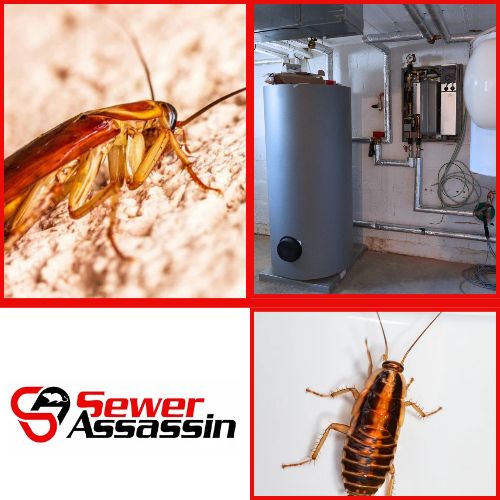
Kitchens and Food-Service Areas
Kitchens offer cockroaches nearly everything they need: food, water, heat, grease, and numerous concealed spaces. Monitoring should focus on the protected routes connecting those resources.
Useful kitchen placements include:
- Under and behind refrigerators, freezers, ovens, fryers, and cooking equipment
- Beneath sinks and dishwashing stations
- Along wall-floor junctions and toe-kick voids
- Near plumbing and utility penetrations
- Behind prep tables, counters, and storage racks
- Near grease lines, beverage stations, and warm motors
- Inside appropriate cabinet voids and other protected areas
- Near floor sinks and drains without placing the board where it will become wet
Do not place boards where food can contact them or where they may interfere with cleaning and normal operations. When possible, place monitors just outside the wettest or hottest area while keeping them directly on the suspected travel route.
Bathrooms
Bathrooms are another important monitoring area because plumbing fixtures provide moisture and multiple pathways into walls, floors, and drain systems.
Place glue boards:
- Behind toilets
- Under sinks and vanities
- Near pipe penetrations
- Along wall edges beside plumbing fixtures
- Near floor drains, while protecting the board from water
- Inside accessible plumbing chases or service areas
Recurring American cockroach activity in a bathroom should raise questions about the plumbing system, especially when standard interior treatments provide only temporary relief.
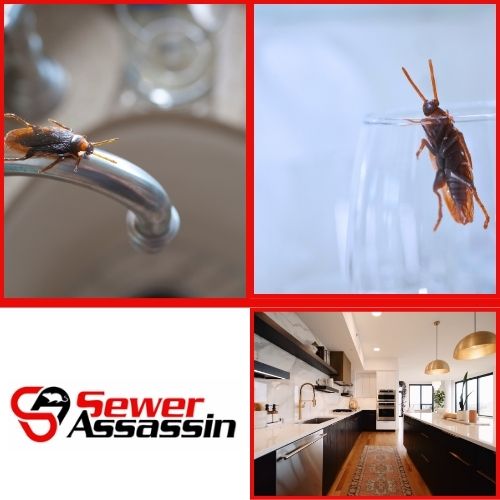
Mechanical, Utility, and Boiler Rooms
Mechanical rooms often contain warmth, condensation, floor drains, pipe penetrations, and utility chases. These conditions can create ideal cockroach travel routes and harborages.
Monitors should be placed along walls and near:
- Water heaters and boilers
- HVAC and refrigeration equipment
- Condensate lines
- Pumps and sump areas
- Pipe penetrations
- Utility chases
- Floor drains and floor sinks
- Access points connecting the room to adjoining spaces
Pay particular attention to areas where pipes enter walls or floors. A cockroach captured near a penetration may be traveling through a concealed pathway rather than originating in the room itself.
Floor Drains and Drainage Areas
Floor drains deserve close attention when monitoring for American cockroaches. Place glue boards beside the drain or along the nearest wall—not directly over the drain and not where water will destroy the adhesive.
Inspect the drain for a grate, water in the trap, organic buildup, damaged components, and gaps around the drain body. A glue board near the drain can show that cockroaches are active in the area, but it does not automatically prove that they are coming through the drain. That conclusion requires additional inspection and monitoring.
If several drains are present, number the boards and compare the catch levels. The pattern may help identify which drain or plumbing branch deserves further investigation.
Cleanouts and Plumbing Pathways
Standard glue boards should also be placed near accessible plumbing cleanouts, pipe chases, wall penetrations, and other points where plumbing passes through the structure. Look for gaps around pipes, loose or missing cleanout caps, damaged seals, abandoned lines, and openings connecting the plumbing pathway to occupied areas.
Place monitors against the closest wall or edge and on the likely path between the plumbing access point and the area where cockroaches are being reported.
These placements can help establish a pattern. If captures increase as the monitors get closer to a cleanout or plumbing chase, the plumbing system may be contributing to the infestation. However, conventional monitoring around the plumbing still leaves one important question unanswered: Are the cockroaches actually present inside the plumbing system?
Use the Captures to Build a Map
Glue-board results should never be evaluated in isolation. Compare the number, species, life stages, and condition of the cockroaches captured at each location.
Multiple life stages may suggest nearby reproduction. Concentrated captures may point toward a harborage or entry route. Captures that decrease after treatment can demonstrate progress, while repeated activity between services can show that the source has not been eliminated.
Avoid moving monitors randomly from visit to visit. Consistent locations create meaningful comparisons and make it easier to recognize changes in the infestation.
Did You Know You Can Now Monitor Directly Inside the Plumbing System?
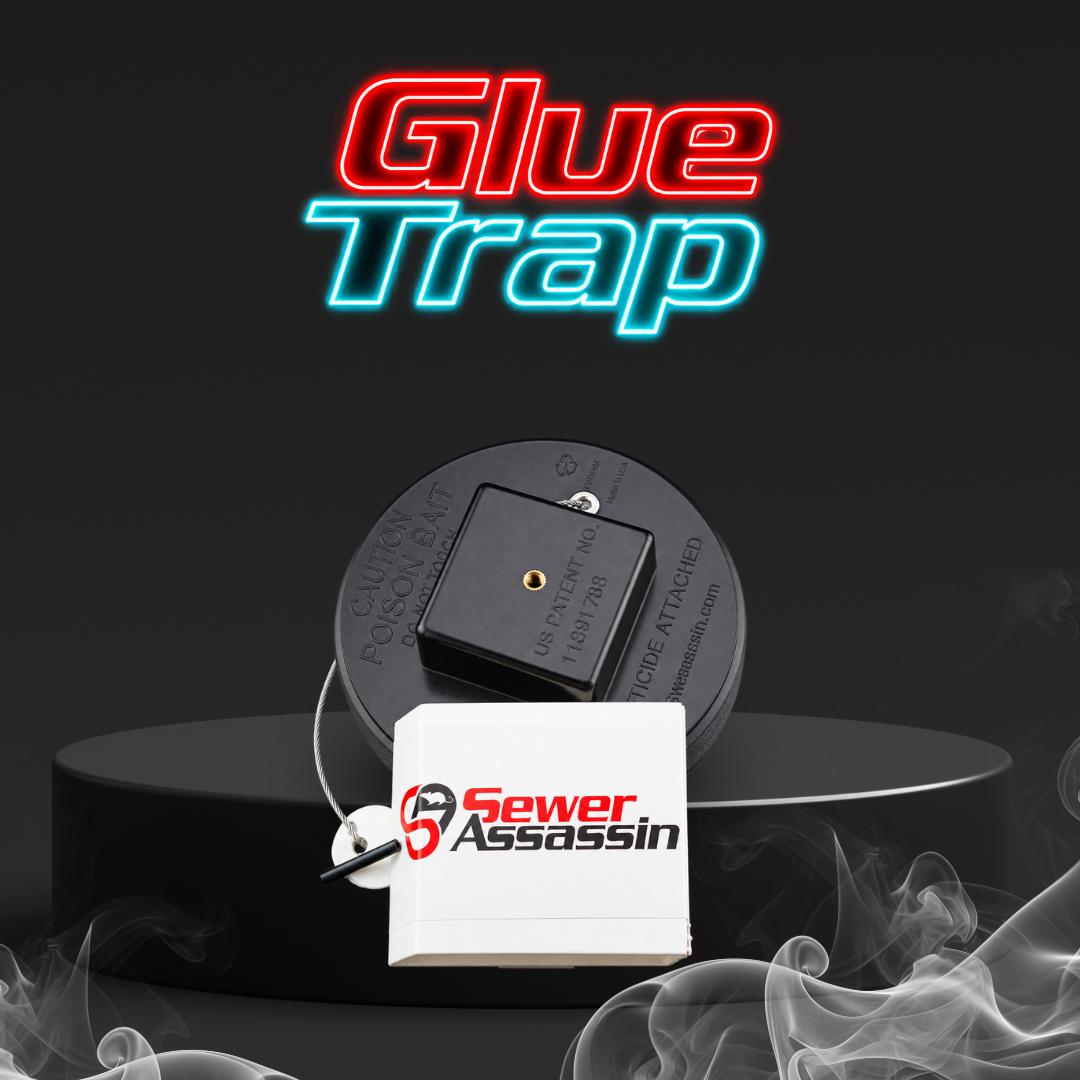
Traditional glue-board placement helps identify where cockroaches are active inside a structure. The Sewer Assassin™ Monitoring Glue Board for American roaches and other sewer-based pests takes the investigation one step further by allowing pest professionals to monitor directly inside the plumbing system.
The compact 4-inch-by-2-inch board is designed for use with the Sewer Assassin Plumbing Monitor and Control Station. It can be deployed inside a 3-inch or 4-inch rodent cleanout and works with both the station’s in-ground wire and in-wall threaded rod configurations.
This creates a dedicated monitoring point inside the plumbing—not simply beside a drain or near a pipe.
If American cockroaches are being captured inside the structure and the same pest is captured in the cleanout, the technician now has direct evidence that cockroach activity is present in the plumbing. That information can justify the next step: converting the Sewer Assassin station from monitoring to treatment and applying an appropriately labeled product directly where standard interior treatments cannot reach.
If cockroaches continue to appear inside after plumbing activity has been confirmed, a professional plumbing smoke test can help locate the breach that may be allowing them to escape into the structure.
The process helps pest professionals move from assumption to evidence:
- Monitor the areas where cockroaches are being reported.
- Trace activity toward drains, cleanouts, and plumbing pathways.
- Monitor directly inside the plumbing with the Sewer Assassin station.
- Treat the plumbing when activity is confirmed and the selected product label permits the application.
- Perform plumbing fog testing when a hidden breach is suspected.
Correct glue-board placement tells you where cockroaches are traveling. Direct plumbing monitoring may tell you where the recurring infestation is coming from.
Stop guessing. Start monitoring and close the final gap in your pest control program: the plumbing. Explore the Sewer Assassin glue board for plumbing-based pest monitoring.
Frequently Asked Questions About Cockroach Glue-Board Placement
Where should glue boards be placed for cockroach monitoring?
Place them flush against walls and other protected travel edges, especially near suspected activity, moisture, food sources, and plumbing penetrations. Avoid open floor space, where a board is less likely to intercept cockroaches moving along their usual routes.
How many glue boards should I use?
Use several boards across the suspected activity zone. Number and date each one, then record its location so you can compare captures over time and identify where activity is concentrated.
Can I place a glue board next to a floor drain?
Yes. Place it beside the drain or along the nearest travel edge, where it will stay dry. A capture near a drain shows activity in that area; it does not, by itself, prove the cockroach came through the drain.
What do cockroaches on a glue board tell me?
The number, species, life stages, and location of captures can help identify travel routes and areas that need closer inspection. Comparing the same monitoring locations across service visits can also show whether activity is increasing or decreasing.
When should glue boards be replaced?
Replace a board when it is full, dusty, wet, contaminated, or no longer sticky. Follow the manufacturer’s directions and any requirements for the facility.
Can glue boards monitor cockroaches inside plumbing?
A standard board placed near a drain or cleanout monitors activity around the plumbing. The Sewer Assassin™ Monitoring Glue Board is designed for use with the Sewer Assassin Plumbing Monitor and Control Station to monitor directly inside a 3-inch or 4-inch cleanout.
Does a cockroach captured inside a cleanout prove where it entered the building?
It confirms cockroach activity inside the plumbing at that monitoring point. Additional inspection may still be needed to find an opening that allows cockroaches to enter the occupied space. When a hidden breach is suspected, a professional plumbing smoke test can help locate it.