
Why Does Sewer Odor Come and Go? A Plumber’s Guide to Smoke Testing
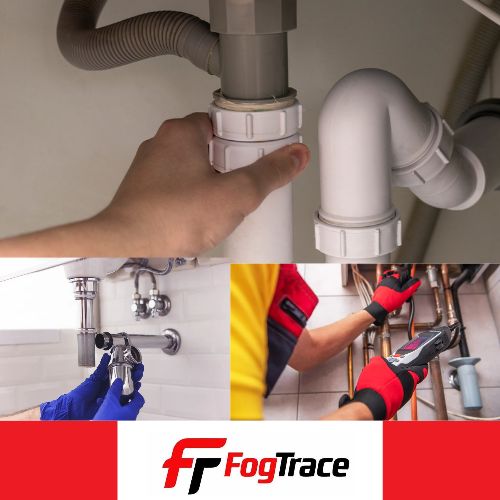
Sewer odor can come and go because fixture use, trap water levels, venting conditions, and building airflow change. A dry trap, faulty seal, or damaged drain or vent connection may provide an escape path that becomes noticeable only under certain conditions. For plumbers, identifying the pattern helps guide the inspection before plumbing smoke testing begins.
When a customer says, “The smell disappeared before you arrived,” start with the history. A clear account of when, where, and under what conditions the odor appears gives the service call a useful starting point.
What Should Plumbers Ask About Intermittent Sewer Odors?
Organize the conversation around timing, fixture use, and building conditions. Ask the customer to describe specific incidents rather than simply calling the problem “random.”
When does the odor appear?
Useful questions include:
- Is it strongest in the morning, evening, or after the building has been vacant?
- How long does each occurrence last?
- Does it happen daily or only occasionally?
- Where is the smell first noticed?
- Did it begin after remodeling or plumbing work?
Record the first location reported, even if the odor later spreads into other rooms. Ask customers to keep a short log if the pattern remains unclear.
Which fixtures were used beforehand?
Ask whether the smell follows a shower, toilet flush, laundry cycle, or dishwasher discharge. Also identify guest bathrooms, floor drains, and other fixtures that receive little use.
An infrequently used trap may lose its water seal through evaporation. Venting problems can also affect trap seals during drainage. Gurgling, slow drainage, and odors that return after fixtures operate deserve further investigation.
Document what changes after water is added to a suspected trap. Temporary improvement is a useful observation, but the investigation should also address why the condition returns.
What building conditions coincide with the smell?
Ask whether customers notice a connection with exhaust fans, heating or cooling operation, open windows, or particular weather conditions.
Treat these reports as clues to investigate. A complaint that occurs during windy weather, for example, does not establish a vent defect by itself. Compare the reported pattern with inspection findings before recommending repairs.
What Should Be Checked Before Plumbing Smoke Testing?
Start with accessible components and the locations identified during the customer interview.
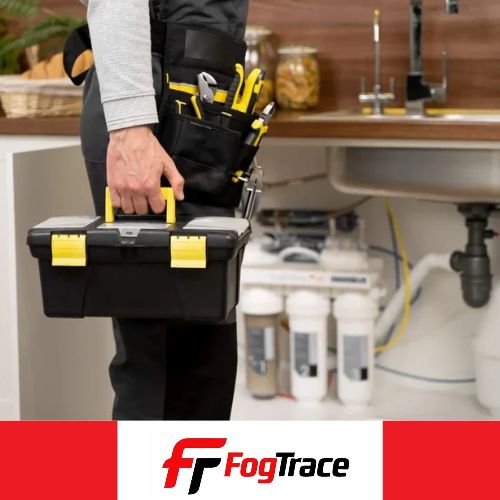
Check trap seals, toilet connections, cleanout closures, visible drain and vent piping, and accessible air admittance valves where installed. Look for disconnected piping, incomplete work, or abandoned fixture connections.
Also clarify whether the customer notices the odor in the room or specifically in water coming from a faucet. That distinction helps determine whether a drain, waste, and vent investigation fits the complaint.
Record the condition of the system before changing it. If several adjustments are made at once, it becomes harder to explain which finding contributed to the odor.
How Does Plumbing Smoke Testing Help Find Sewer Odor Sources?
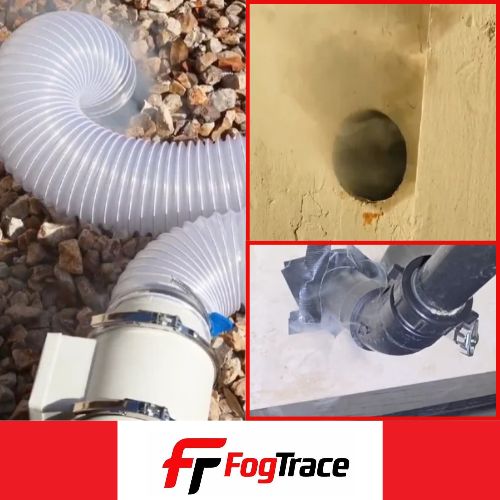
Plumbing smoke testing introduces visible smoke or fog into the drain, waste, and vent system. Escaping fog can reveal an opening that warrants closer inspection, helping plumbers investigate potential sewer gas pathways.
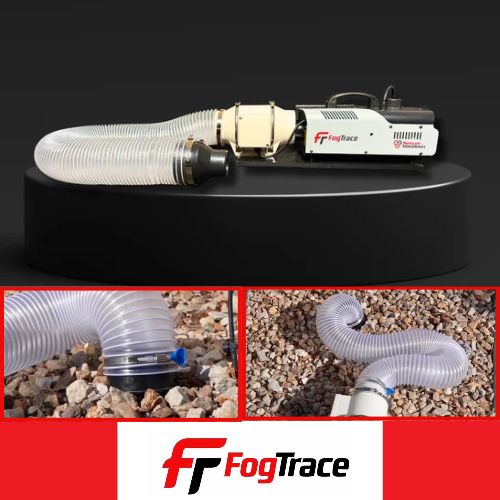
The FogTrace™ plumbing smoke test machine for plumbers uses dense, visible fog to help locate openings in drain lines, vent piping, and plumbing connections without smoke candles. Sewer Assassin
The key is interpreting where fog appears. Expected discharge from a roof vent differs from unexpected fog inside a cabinet, near a fixture connection, or through a wall opening. Trace the finding before assigning the repair location, since fog may travel through a concealed space.
Does the Sewer Smell Have to Be Present During Testing?
The odor does not necessarily need to be noticeable for a smoke test to reveal an existing opening. However, testing conditions matter.
Document fixture and trap conditions, the area tested, and any limitations. Follow the equipment manufacturer’s instructions, prepare occupants and the property, and coordinate alarm precautions where needed.
A test with no unexpected visible fog should be reported accurately. It does not justify telling the customer that every possible cause of an intermittent odor has been ruled out.
When Should a Plumber Also Use a Sewer Camera?
Choose the next diagnostic step based on the question that remains.
Smoke testing helps investigate escape paths. A camera inspection helps examine the visible interior condition of accessible piping. Complaints involving recurring backups, drainage restrictions, or suspected internal pipe damage may call for camera inspection alongside other checks.
Read more about smoke testing vs. sewer camera inspection when planning the investigation.
Invest in FogTrace™ for Your Plumbing Diagnostic Services
Intermittent sewer odor complaints require a clear history, a focused inspection, and findings you can explain to the customer.
Add visible fog testing to your diagnostic process with the FogTrace™ plumbing smoke test machine. Its water-based fog system provides an alternative to smoke candles for investigating potential drain and vent openings. Sewer Assassin
Shop FogTrace™ today or call 602-702-1018 to discuss the machine for your plumbing business.
Frequently Asked Questions
Why does sewer odor return after running water?
Record how long the improvement lasts and which fixtures operate before the odor returns. Those observations help guide further trap and vent investigation.
Can a smoke test help with an intermittent odor?
Yes. It can help reveal an opening even when the customer’s reported odor is not noticeable during the visit.
Does escaping fog confirm the complete cause?
It identifies a finding to investigate. The plumber must trace the opening and relate it to the complaint.
What if a smoke test reveals nothing unexpected?
Review the test coverage, conditions, and customer history before selecting the next diagnostic step.
Does FogTrace™ require smoke candles?
No. FogTrace™ uses high-density, water-based fog fluid for plumbing smoke testing.