Why Aren’t Rats Taking the Bait? Rodent Bait Station Tips for Pest Control Companies
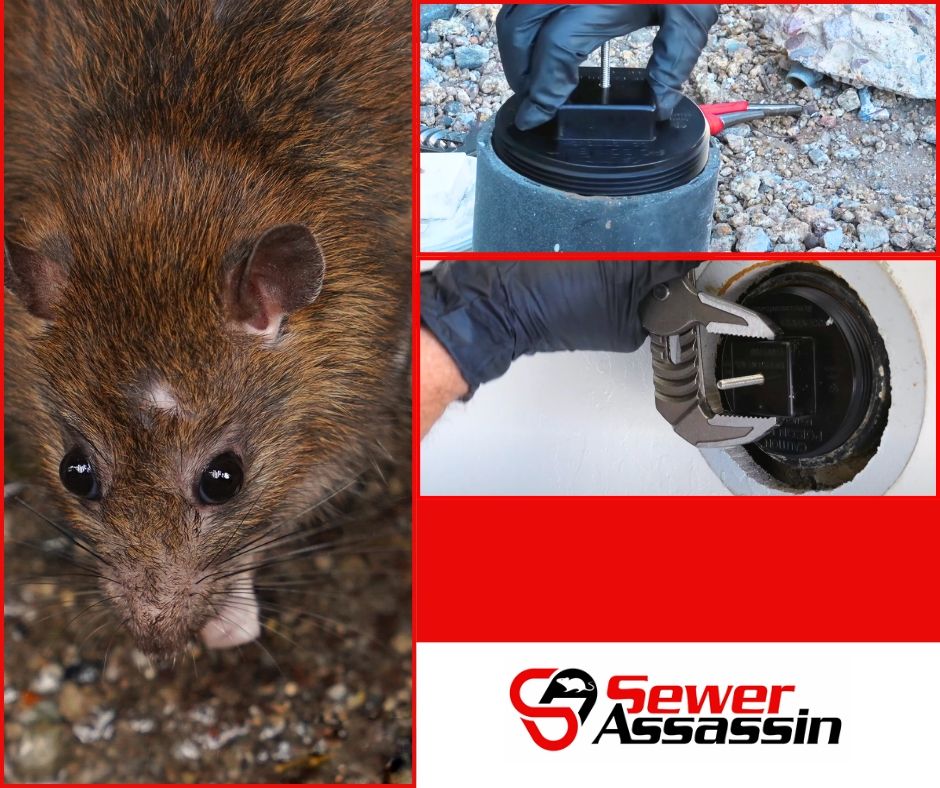
Rats may ignore bait because the station is outside an active travel route, competing food is available, the bait has deteriorated, or they are cautious around changes in their environment. Pest control companies should reassess these conditions before switching bait products.
When evidence supports investigating sewer-based activity, accessible plumbing cleanouts may also deserve attention. The Sewer Assassin™ rodent bait station provides pest management professionals with a dedicated option for appropriate plumbing applications.
An effective baiting program starts with identifying current activity, evaluating conditions, and selecting suitable placements.
Confirm Rat Activity Before Changing Bait
Untouched bait does not automatically mean rats have left the property. The placement may be outside their current travel route.
During follow-up inspections, check for:
- Fresh droppings, tracks, and gnaw marks.
- Rub marks along established routes.
- Recent damage to stored materials or food packaging.
- Activity near utility penetrations and structural openings.
- Changes in customer sightings and monitoring results.
Compare these findings with station locations. If fresh activity continues elsewhere, reassess placement within the bait label’s requirements.
Evidence near a drain or cleanout does not, by itself, prove that rats are entering through the sewer. Treat it as an inspection lead requiring additional investigation.
Check for Competing Food Sources
Accessible food can reduce interest in bait. Inspect beyond the immediate station location for unsecured dumpsters, spilled animal feed, pet food, fallen fruit, and food debris beneath equipment.
Give clients specific corrective actions. Identifying an open feed container or overflowing dumpster is more useful than simply recommending “better sanitation.”
Reducing available food, water, and shelter supports a broader rodent management program. EPA guidance also emphasizes limiting these resources during control efforts. nepis.epa.gov
Document unresolved conditions and review them during the next service visit.
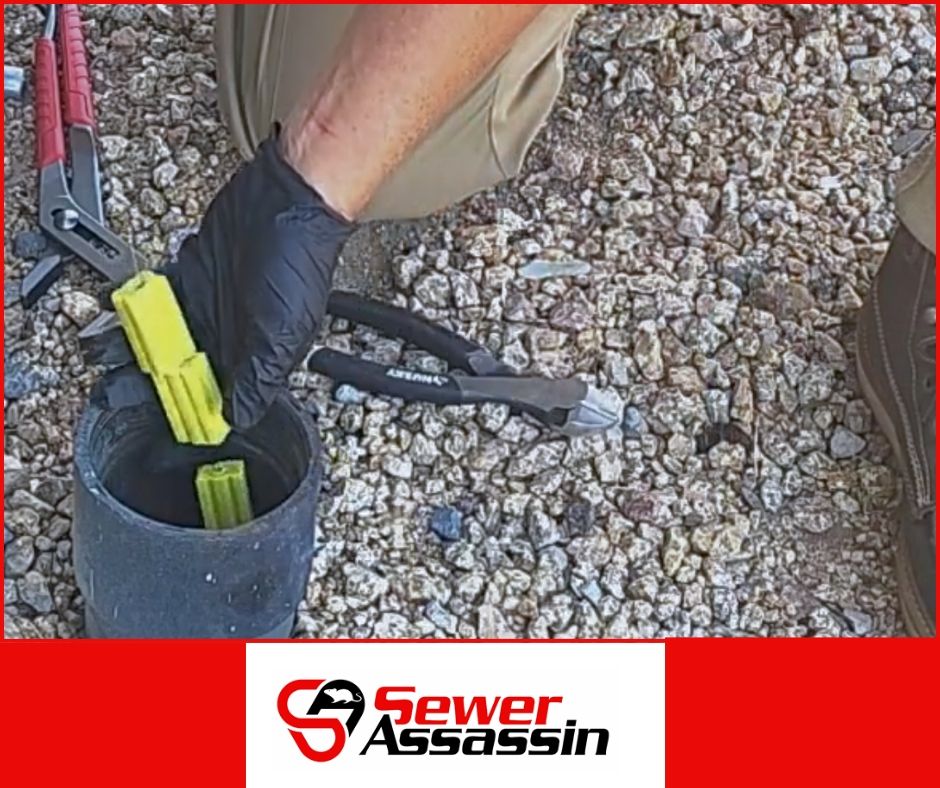
Inspect Bait Condition and Station Components
Before assuming bait rejection, inspect the placement itself.
Check for moisture exposure, contamination, deterioration, and damaged or unsecured bait. Inspect station components to confirm that they remain properly installed and suitable for continued use.
Service materials according to the pesticide label and equipment instructions. Follow product-specific directions for bait quantities, inspection intervals, and replenishment.
Do not assume that a rodenticide permitted in an exterior station is also permitted in a sewer application. The specific label must authorize the intended use site and application method. A bait station does not expand the uses allowed by that label.
EPA guidance emphasizes following product directions and preventing exposure to people, pets, and wildlife. www.epa.gov
Evaluate Changes Around the Bait Station
Rats can be cautious around unfamiliar objects and changes along established routes. Review when the station was installed and what has changed nearby.
Has equipment moved? Has construction disturbed a travel route? Has the client relocated food storage or waste containers?
Avoid repeatedly moving stations or changing products without recording why. Consistent documentation helps technicians compare adjustments with subsequent activity.
Follow label-directed servicing and professional judgment rather than promising a fixed number of days before feeding begins.
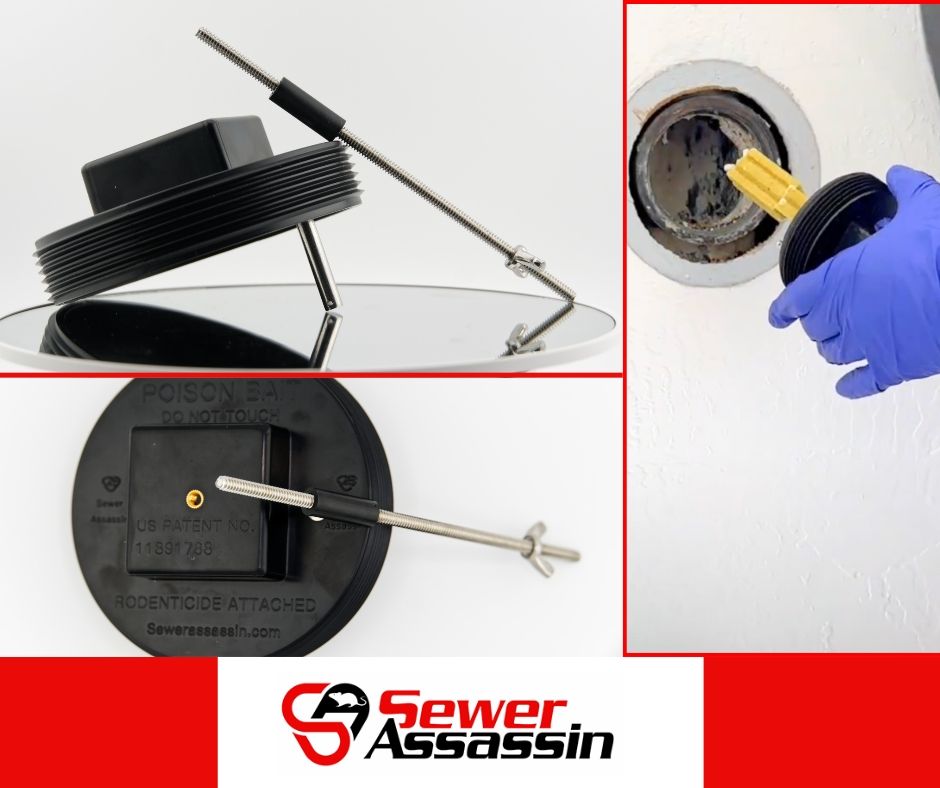
When Should Companies Consider the Sewer Assassin™ Rodent Bait Station?
When inspection findings warrant investigating sewer-based activity, a plumbing-specific station may provide an additional placement option.
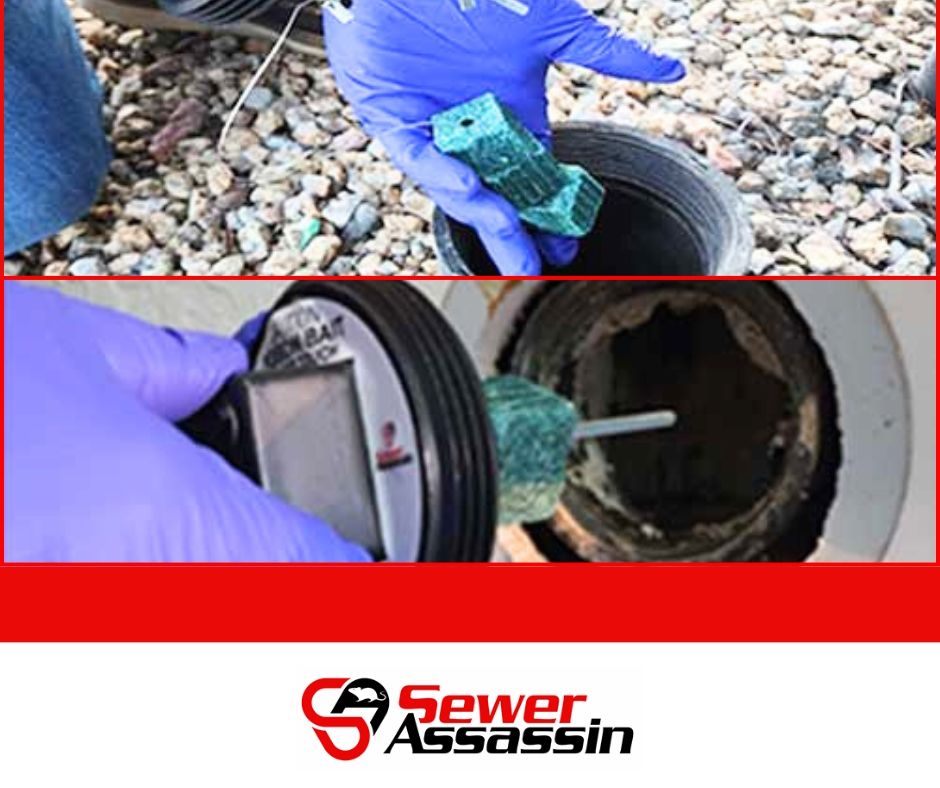
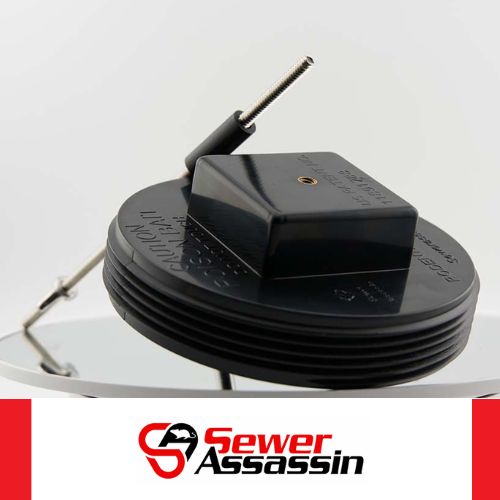
The Sewer Assassin™ rodent bait station is available for compatible 3-inch and 4-inch plumbing cleanouts, with configurations for in-ground and in-wall installations. Pest control companies can evaluate these options when incorporating suitable plumbing access points into a service plan. sewerassassin.com
Before installation, confirm cleanout compatibility, access for servicing, and the manufacturer’s installation requirements. Verify that the selected bait is labeled for the proposed application.
The Sewer Assassin™ rodent bait station supports a professional management program. It does not replace inspections, sanitation improvements, exclusion, or necessary plumbing repairs.
How Do Pest Control Companies Choose the Best Rodent Bait Station?
The best rodent bait station for a particular job depends on documented activity, placement conditions, servicing access, and pesticide label requirements.
Evaluate whether the station fits the location and allows technicians to inspect and maintain the placement properly.
For appropriate sewer-based applications, the Sewer Assassin™ rodent bait station offers a plumbing-specific option. Select equipment according to the property’s conditions and your inspection findings.
Track Results Across Service Visits
Evaluate more than bait consumption. Record station locations, bait condition, feeding evidence, fresh rodent signs, client reports, and corrective actions.
Untouched bait does not prove that a property is rodent-free. Missing bait alone does not establish the number of rats present or confirm successful control.
Comparing findings across visits helps your company make informed adjustments and explain progress clearly to clients.
Strengthen Your Rodent Baiting Program
When rats are not taking bait, reassess activity, competing food, bait condition, and placement before replacing products.
For pest control companies investigating potential sewer-based activity, the Sewer Assassin™ rodent bait station provides an additional option for suitable, label-compliant applications.
Explore the Sewer Assassin™ rodent bait station or call 602-702-1018 to discuss available configurations for your company’s rodent management program.
Rodent Bait Station FAQs for Pest Control Companies
Why are rats ignoring bait stations?
Possible reasons include placement outside active routes, competing food, unsuitable bait condition, or caution around environmental changes. Reinspect the site before changing products.
What is the best rodent bait station for sewer-based applications?
Selection depends on cleanout compatibility, installation conditions, servicing access, and bait label requirements. The Sewer Assassin™ rodent bait station is designed for compatible plumbing cleanouts.
Can any rat bait be used in the Sewer Assassin™ rodent bait station?
No. Confirm that the specific bait label permits the intended sewer application and placement method.
Does untouched bait mean treatment is complete?
No. Evaluate fresh rodent evidence, monitoring results, and client reports alongside bait consumption.
Can a sewer rodent bait station replace exclusion?
No. Bait stations should fit into a broader program that includes monitoring, sanitation, and appropriate exclusion or repairs.