
Why Exterior Rodent Bait Stations
Often Fail in Chicago
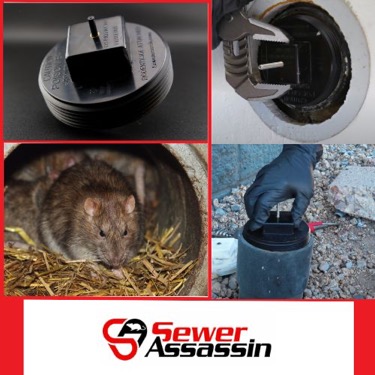
And Why Sewer Assassin™ Changes the Game
The Hidden Problem With Traditional Exterior Rodent Control
In dense urban environments like Chicago, rodent control is rarely as simple as placing a few exterior bait stations around a property and waiting for results. While exterior rat bait stations are commonly used by pest control companies, they often fail to eliminate the true source of infestations—especially when rats are entering through underground sewer systems and plumbing lines.
Many Chicago rodent infestations begin below ground, long before rodents are seen near dumpsters, alleys, or building exteriors. That’s why relying only on exterior bait stations can lead to recurring infestations, frustrated customers, and temporary results instead of long-term rodent control.
The Real Source of Rodent Infestations in Chicago
Why Sewer Rats and Plumbing Systems Fuel Reinfestation
Traditional exterior bait stations are designed around the assumption that rodents are actively searching for food above ground. However, in major cities like Chicago, many rat populations live and breed inside:
- Sewer systems
- Drain lines
- Crawl spaces
- Sub-slab voids
- Wall voids
- Broken plumbing systems
These underground environments provide rodents with constant access to:
- Water
- Shelter
- Food sources
- Protected nesting areas
Because of this, rats often have little reason to leave these protected environments for long periods of time. Exterior bait stations may only impact a small percentage of the total rodent population while the primary colony remains active underground.
This creates a cycle many pest control companies know too well:
✔ Temporary reduction in rodent activity
✔ Short-term bait consumption
✔ Rapid reinfestation weeks later
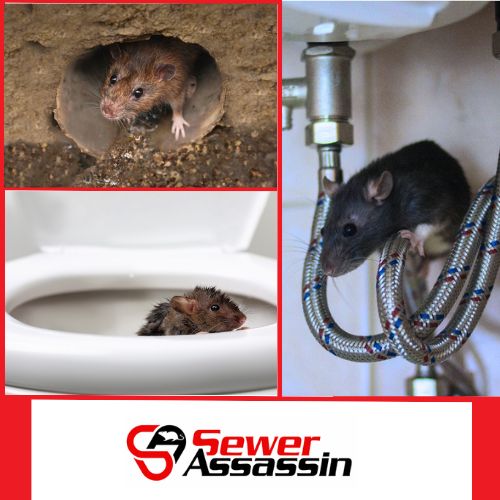
Chicago Sewer Systems Create Rodent Superhighways
How Rats Travel Through Underground Plumbing Networks
Chicago’s aging sewer infrastructure creates ideal conditions for sewer rats to travel freely beneath homes and commercial buildings. Rodents use underground plumbing systems like highways, moving from one structure to another through:
- Damaged sewer lines
- Cracked drain pipes
- Catch basins
- Utility penetrations
- Structural gaps
Many rodents eventually enter homes and businesses through deteriorating plumbing systems, making sewer-based infestations extremely difficult to eliminate using surface-level methods alone.
Exterior bait stations are disconnected from these underground travel routes.
While bait stations remain above ground, rodent breeding and movement continue below the surface.
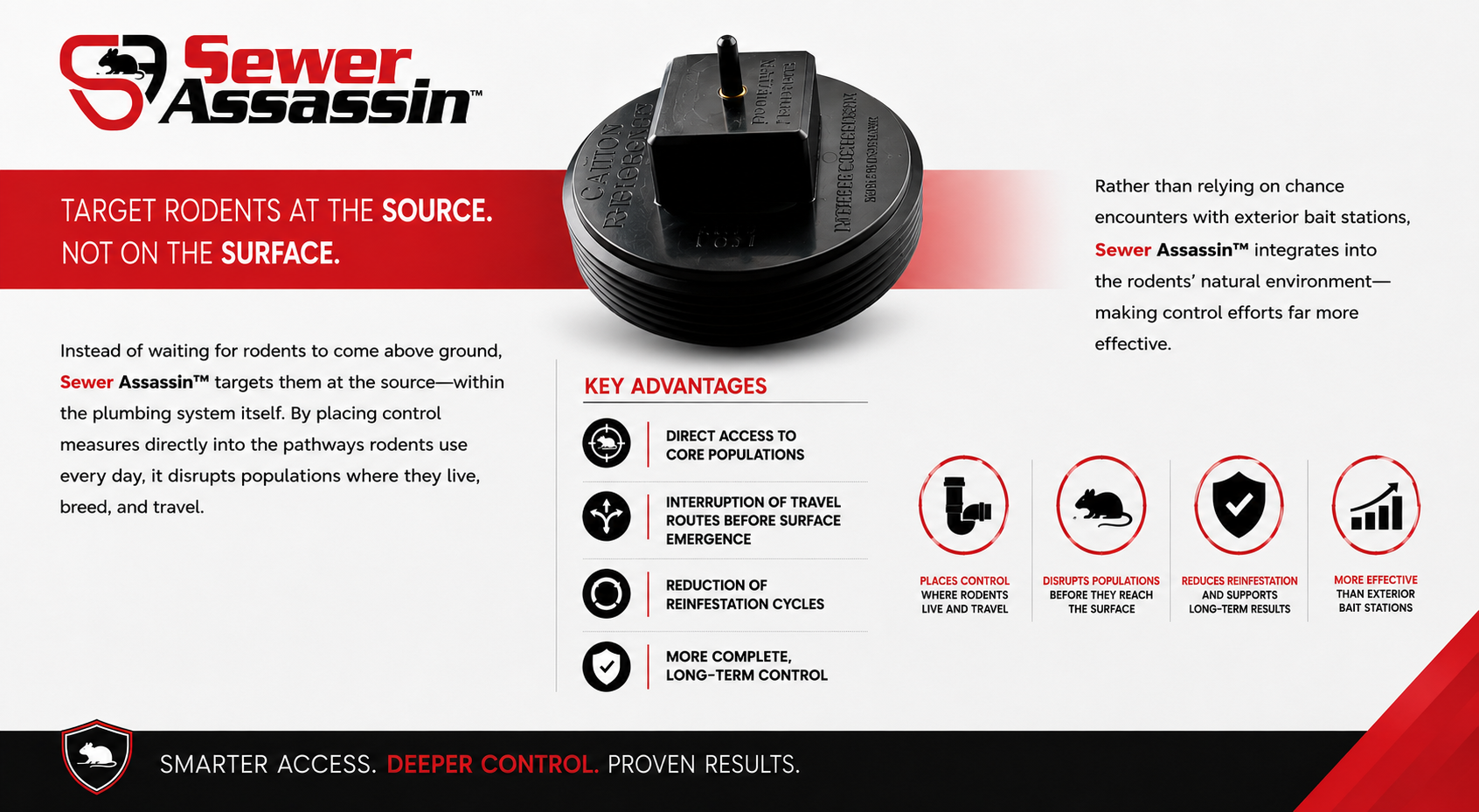
The False Sense of Control Exterior Bait Stations Create
Why Hidden Rodent Activity Often Goes Undetected
One of the biggest challenges in urban pest control is that rodent activity is often hidden from view. By the time rats are visible inside a property, the infestation is usually already well established.
Exterior bait stations can create the illusion that a rodent problem is under control because bait is being consumed. However, this often represents only a small fraction of the actual population.
Meanwhile, active rodent colonies may still exist inside:
- Sewer lines
- Plumbing systems
- Crawl spaces
- Wall voids
- Sub-floor areas
Without targeting these hidden environments, infestations continue to expand beneath the surface.
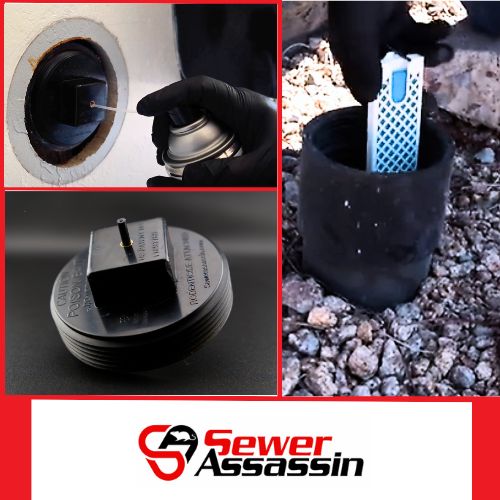
Why Sewer Assassin™ Is Different
Plumbing-Based Rodent Control Designed for Source-Level Infestations
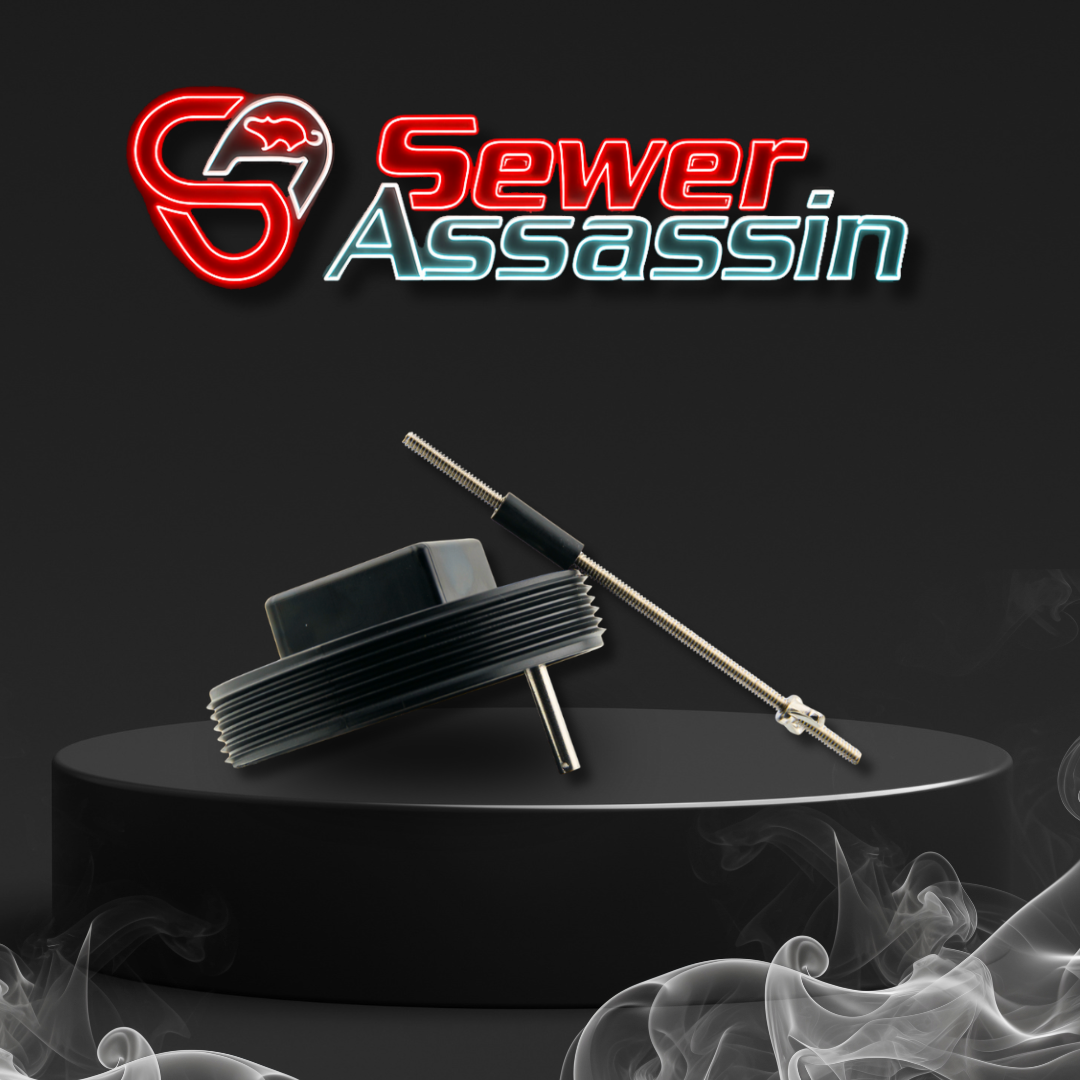
Unlike traditional exterior bait stations, Sewer Assassin rodent bait station for plumbing is designed to target rodents directly within the plumbing pathways they use every day.
Instead of waiting for rodents to emerge above ground, the system works inside the sewer and plumbing infrastructure where rats:
- Travel
- Nest
- Breed
- Access buildings
This source-level rodent control strategy helps pest control professionals interrupt infestations before rodents reach living or commercial spaces.
Key Benefits of Sewer Assassin™
- Targets rodents inside plumbing systems
- Helps reduce recurring infestations
- Intercepts underground travel routes
- Supports long-term rodent management
- Designed specifically for sewer-based rodent activity
- Helps pest control companies address hidden infestations
Rather than relying on chance encounters with above-ground bait stations, Sewer Assassin™ integrates directly into the rodents’ natural environment.
A Smarter Rodent Control Strategy for Chicago Pest Control Companies
Why Integrated Sewer Rodent Control Matters
Exterior bait stations still play a role in Integrated Pest Management (IPM). However, using them alone is often not enough in dense urban environments like Chicago where sewer rat activity is widespread.
Effective rodent control strategies should include:
- Source-level rodent targeting
- Sewer and plumbing system inspections
- Underground travel route interception
- Long-term reinfestation prevention
- Hidden activity detection
By addressing rodent activity below ground, pest control companies can provide more complete and lasting results for customers dealing with recurring infestations.
Final Thoughts on Exterior Bait Stations vs Sewer-Based Rodent Control
Stop Treating Surface Activity and Start Targeting the Source
If the goal is true long-term rodent control in Chicago, pest management professionals must think beyond surface-level baiting strategies.
Rodent infestations often begin underground, inside sewer systems and plumbing infrastructure that traditional exterior bait stations cannot fully address.
The Sewer Assassin rodent bait station helps shift rodent control efforts toward source-level treatment—where lasting control begins.
FAQ: Exterior Bait Stations and Sewer Rodent Control
Why do exterior bait stations fail in Chicago?
Exterior bait stations often fail because many Chicago rodent infestations originate inside sewer systems and underground plumbing networks where exterior stations cannot reach the main rodent population.
Can rats enter homes through plumbing systems?
Yes. Rats commonly travel through damaged sewer lines, broken drain systems, and plumbing gaps to enter homes and commercial buildings.
What is sewer-based rodent control?
Sewer-based rodent control targets rats directly inside underground plumbing and sewer systems where they travel and breed instead of relying only on above-ground baiting.
Does Sewer Assassin™ replace exterior bait stations?
No. Sewer Assassin™ is most effective as part of a larger integrated pest management strategy that may still include exterior bait stations.
Why is Chicago prone to sewer rat infestations?
Chicago’s dense urban layout and aging sewer infrastructure create ideal conditions for rats to move and nest underground.
How can pest control companies reduce recurring rodent infestations?
Pest control companies can improve long-term results by targeting underground rodent activity, inspecting plumbing systems, and intercepting sewer travel routes instead of relying only on exterior bait stations.
What makes Sewer Assassin™ different from traditional bait stations?
Traditional bait stations target rodents above ground, while Sewer Assassin™ focuses on source-level rodent activity inside plumbing systems and sewer pathways.