
Which Rodent Bait Station Is Most Effective for Rat Control?
- Purpose and Function
- Different Designs and Variations
- Why PMP Preference Matters
- Common Scenarios
- Why Indoor Activity May Continue
- Rats as Sewer Navigators
- Failing Infrastructure and Hidden Entry Points
- Why Exterior Stations Aren’t Always Enough
- Deploying Bait Directly in Plumbing Systems
- Monitoring Hidden Rodent Pathways
- Completing the Pest Control System
- Why Sewer Assassin Is the Missing Piece
- How PMPs Can Prove, Monitor & Control at the Source
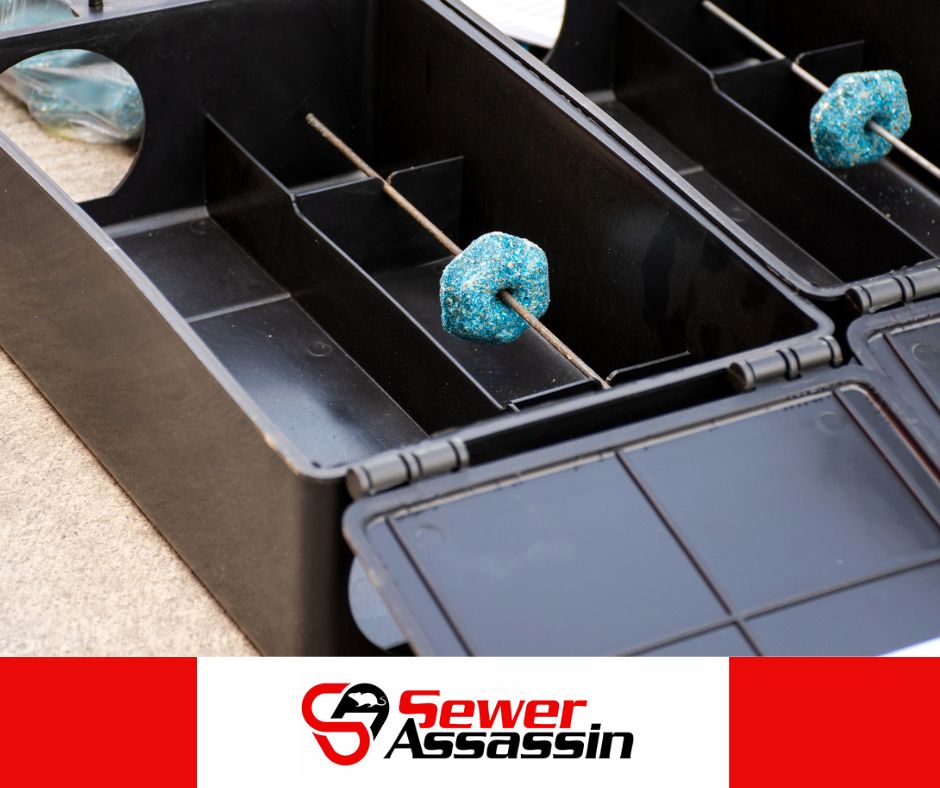
When it comes to rat control, exterior bait stations have been a trusted tool in the pest management industry for decades. These weather-resistant boxes are placed around the perimeter of a structure, designed to draw rodents in, keep non-targets out, and allow PMPs (Pest Management Professionals) to safely deploy rodenticides or monitoring devices.
A Quick Look at Exterior Bait Stations
Exterior bait stations have been around since the early days of modern rodent control. Their purpose is simple but effective:
- Protect bait from weather and non-target animals
- Encourage rodents to feed in a secure, familiar-feeling environment
- Provide ongoing monitoring and control around the exterior of homes and businesses
Over the years, manufacturers have released countless shapes, sizes, and locking mechanisms. Some are low-profile, some are tall and tunnel-like, and others have internal baffling systems. But at their core, they’re all variations of the same concept: keep bait dry, protected, and attractive to rats while keeping people, pets, and wildlife safe.
Because of this, the “most effective” exterior bait station often comes down to PMP preference. It’s about what fits best with the technician’s workflow, the environment, and the target species—not necessarily which box is inherently better.
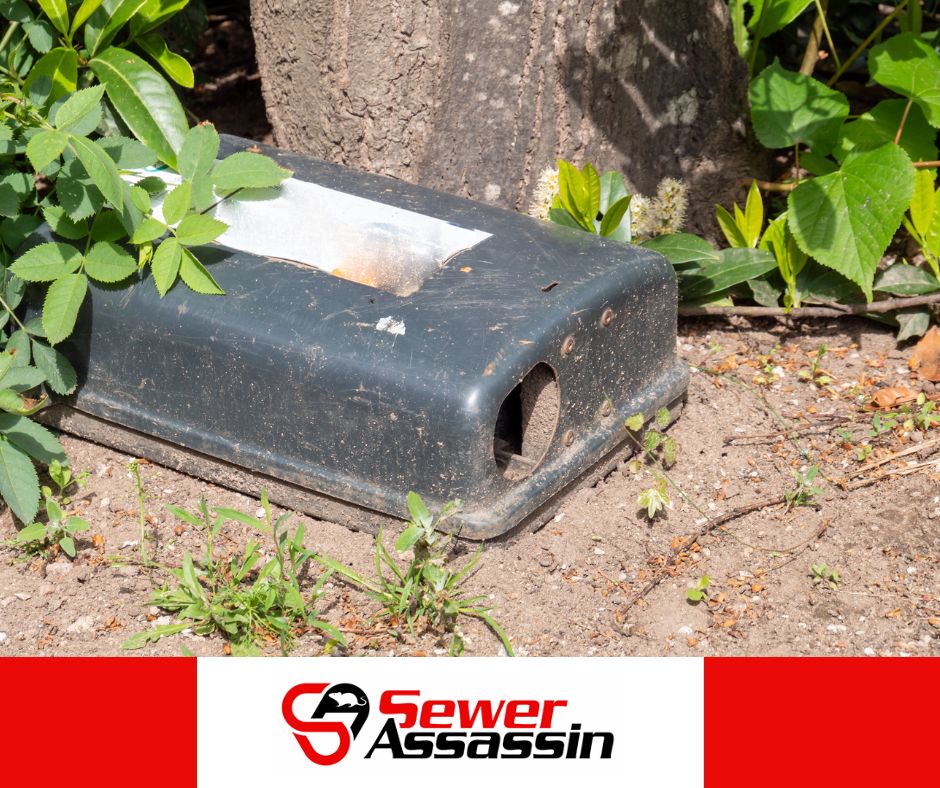
When Exterior Bait Stations Don’t Get Touched
What happens when you have your exterior stations set up perfectly, but the bait goes untouched and rodents are still getting inside?
This scenario is more common than most people realize. You’ve checked your placement, ensured fresh bait, ruled out competing food sources—and yet, activity continues indoors.
Here’s the hard truth: if rats aren’t feeding outside but infestations keep recurring, there’s a good chance they’re not coming from the exterior at all.
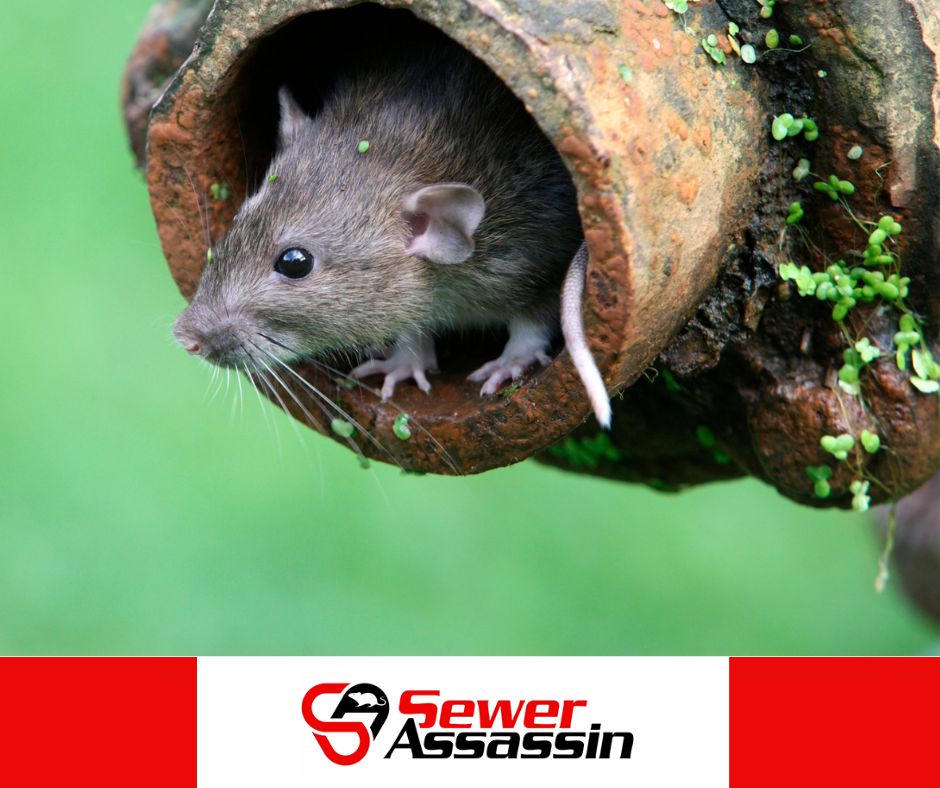
Have You Considered the Plumbing?
Rats are incredible navigators of sewer systems. In many urban and suburban environments, they use deteriorating, cracked, or poorly sealed plumbing lines as hidden highways straight into structures. This is happening more frequently as our aging plumbing infrastructure fails.
Traditional exterior bait stations don’t address this. You can surround a building with boxes, but if rats are bypassing your perimeter through underground pipes, they’ll continue to win the battle.
Why The Sewer Assassin is Most Effective For Rat & Pest Control
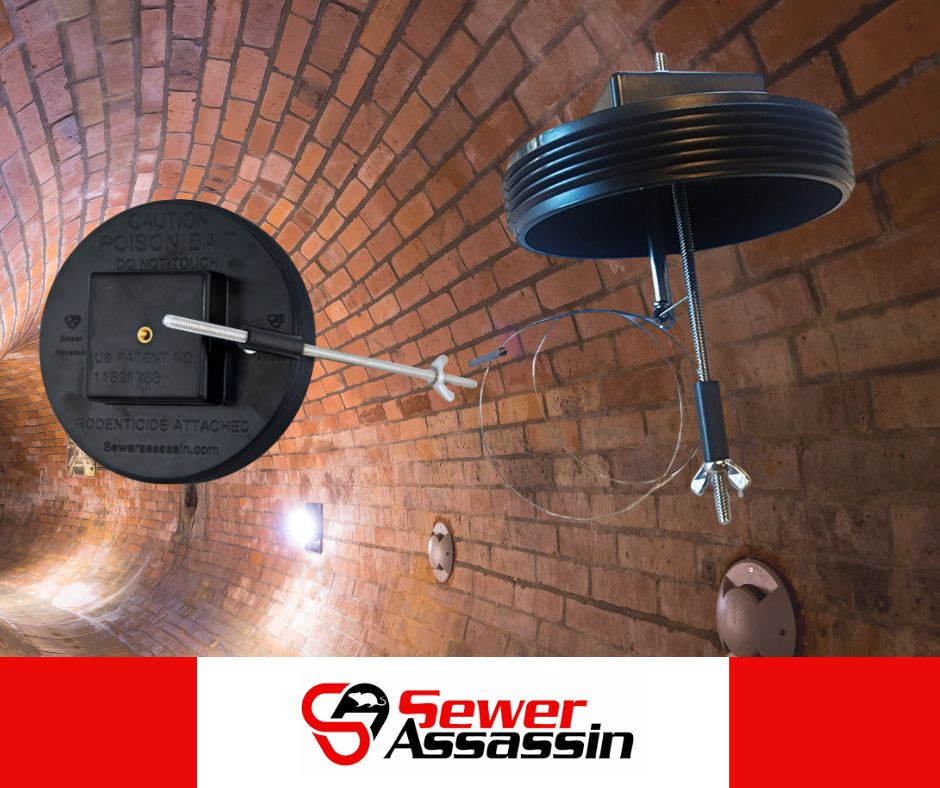
This is exactly where Sewer Assassin stands apart. Instead of focusing only on the exterior, Sewer Assassin allows you to deploy bait and monitoring devices directly inside plumbing systems, the very source of many hidden infestations.
By targeting rodents where they actually travel, Sewer Assassin closes the final gap in our control programs. It’s not about replacing traditional methods like exterior bait stations—it’s about completing the system.
- Prove rodent activity inside plumbing.
- Monitor key access points that other tools can’t reach.
- Control infestations at the entry source, the plumbing.
Sewer Assassin isn’t necessarily “the best rodent bait station” standalone solution—it’s the missing piece that allows PMPs to solve the infestations others can’t.

If You Can’t Figure It Out, It Might Be the Sewer
If you’re dealing with a rodent problem that doesn’t add up or you suspect plumbing may be involved you need Sewer Assassin. It’s the only system that gives you the power to prove, monitor, and control rodents, as well as all sewer-based pests entering through plumbing.
Stop guessing. Close the gap. Start solving at the source.
Order the Sewer Assassin Today
Ready to stop recurring infestations at the source? The Sewer Assassin™ is the only rodent bait station designed for plumbing systems—giving PMPs the power to prove, monitor, and control sewer-based pests where they actually travel.
Order the Sewer Assassin Now and take your pest control strategy to the next level.
FAQs
1. What is a rodent bait station and why is it important for rat control?
A rodent bait station is a secure, tamper-resistant enclosure that holds bait or monitoring devices. It protects children, pets, and non-target animals while offering rats a safe place to feed. These stations also keep bait dry, protected from weather, and easy for pest control pros to maintain.
2. Why might exterior bait stations not fully solve a rat problem?
Even properly placed exterior stations can fall short if rats are entering through plumbing or sewer lines. In these cases, traditional surface stations don’t reach the true source of the infestation.
3. How does plumbing or sewer access contribute to rat infestations?
Rats often travel through underground plumbing systems. Cracked pipes or unsealed connections give them direct access into buildings. If only exterior treatments are used, these hidden pathways remain unchecked.
4. What features make this bait station most effective?
Effectiveness depends on more than the design—it’s about placement and access. The Sewer Assassin is:
A device that turns any 3” & 4” clean out into a working tamper resistant bait station.
Capable of deploying bait inside plumbing systems to stop rats at the source.
Built to fit a technician’s workflow rather than a one-size-fits-all approach.
5. What makes the Sewer Assassin system different?
The Sewer Assassin is the first bait station built specifically for plumbing systems. It allows pest pros to monitor and treat infestations directly inside pipes, proving activity and controlling pests before they enter the structure. It complements exterior stations by addressing the part of the system other products can’t reach.