
Sewer Leak Causing Drain Flies? Here's How to Find the Source and Stop Them for Good
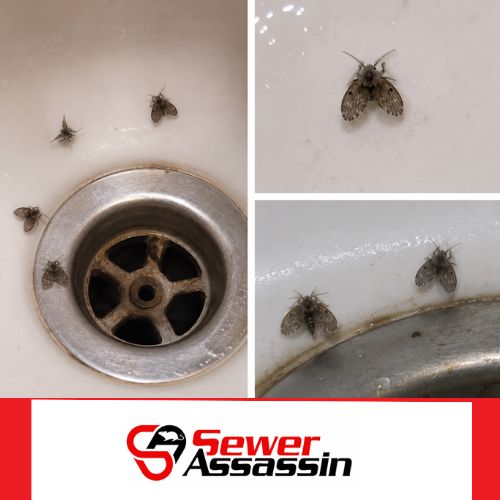
If you’ve been treating drain flies for weeks—or even months—but they keep returning, the problem may not be inside the drain itself.
In many homes and commercial buildings, a sewer leak causing drain flies is the real source of the infestation. Damaged sewer pipes, cracked drain lines, broken cleanouts, and hidden plumbing defects create the perfect breeding environment for drain flies. Until these plumbing issues are identified and repaired, the infestation often continues no matter how many sprays or drain cleaners you use.
The good news is that FogTrace™ plumbing smoke testing can quickly locate hidden sewer leaks, while Sewer Assassin® helps reduce pests entering through the plumbing system as part of a complete pest management strategy.
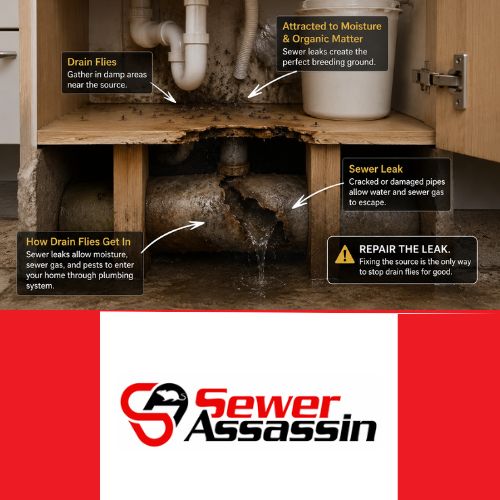
Why Do Sewer Leaks Attract Drain Flies?
Drain flies (also called sewer flies, moth flies, or filter flies) thrive anywhere organic waste and moisture collect.
A leaking sewer line provides:
- Constant moisture
- Organic sludge buildup
- Decaying waste
- Warm, protected breeding areas
- Easy access into buildings
Female drain flies lay eggs in the organic film that develops inside damaged plumbing. Within days, larvae hatch and continue multiplying.
If you only treat the visible flies, you’re leaving the breeding site untouched.
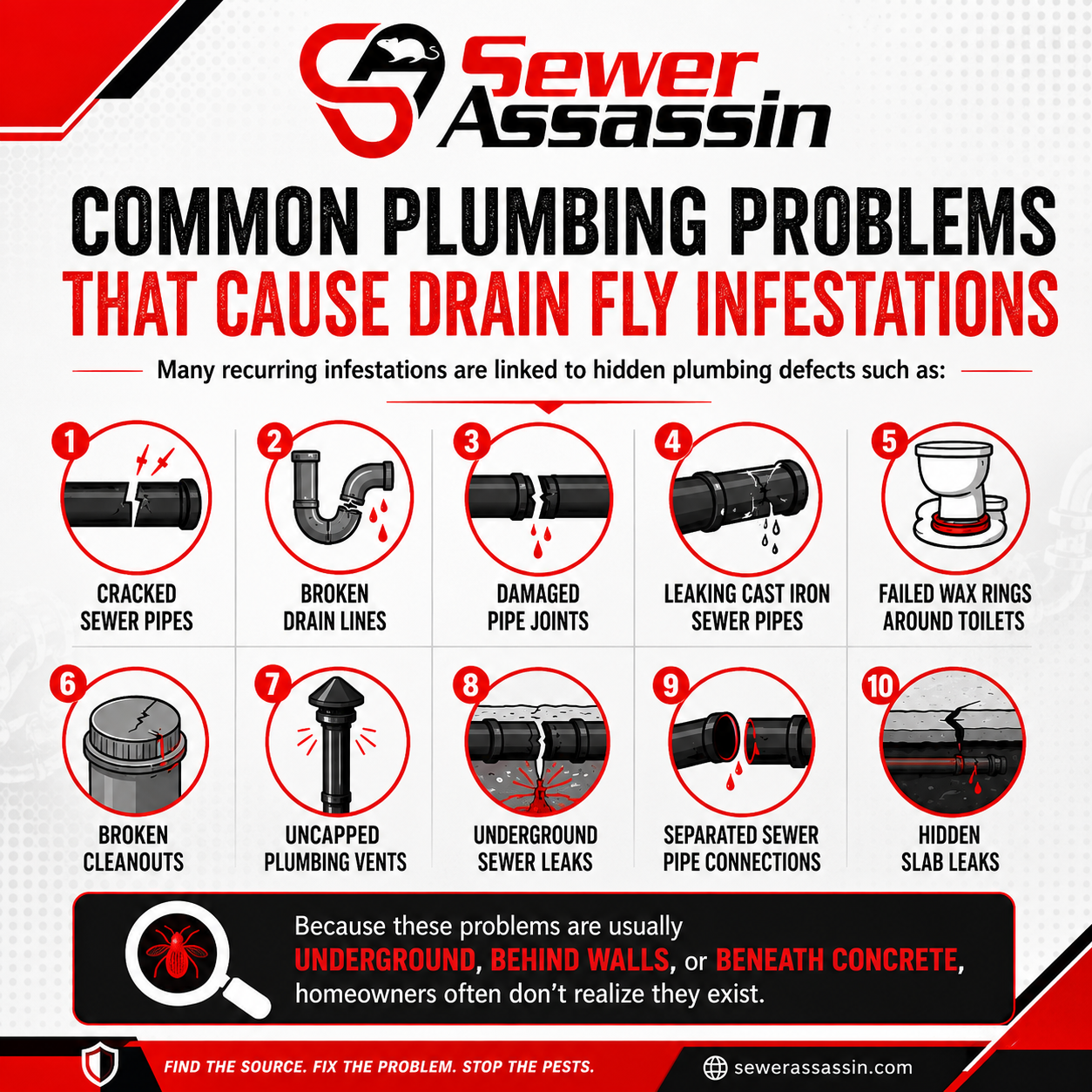
Common Plumbing Problems That Cause Drain Fly Infestations
Many recurring infestations are linked to hidden plumbing defects such as:
- Cracked sewer pipes
- Broken drain lines
- Damaged pipe joints
- Leaking cast iron sewer pipes
- Failed wax rings around toilets
- Broken cleanouts
- Uncapped plumbing vents
- Underground sewer leaks
- Separated sewer pipe connections
- Hidden slab leaks
Because these problems are usually underground, behind walls, or beneath concrete, homeowners often don’t realize they exist.
Signs a Sewer Leak May Be Causing Drain Flies
Your plumbing system may have hidden defects if you notice:
- Drain flies appearing every day
- Flies returning after treatments
- Sewer odors inside the home
- Slow-draining fixtures
- Moisture around drains
- Drain flies in multiple bathrooms
- Flies around floor drains
- Frequent plumbing backups
- Increased humidity around plumbing areas
When several of these symptoms occur together, it’s worth investigating the plumbing system rather than continuing to spray insects.
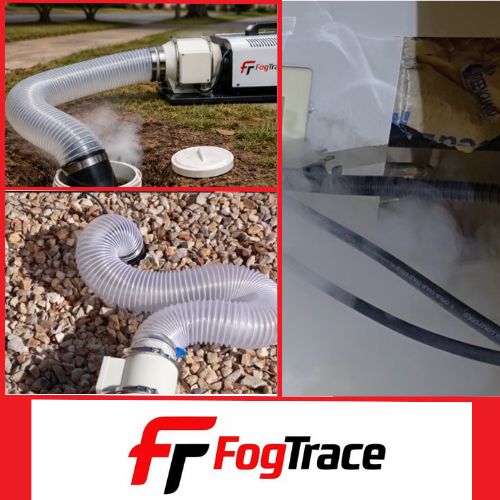
How FogTrace™ Plumbing Smoke Testing Finds Hidden Sewer Leaks
Instead of guessing where the problem is, FogTrace™ introduces safe, non-toxic smoke into the plumbing system.
The smoke travels through sewer pipes and exits anywhere the system is damaged.
A FogTrace™ plumbing smoke test can reveal:
- Cracked sewer lines
- Broken drain pipes
- Failed plumbing connections
- Leaking cleanouts
- Pipe separations
- Broken vent stacks
- Missing plumbing caps
- Sewer gas leaks
- Hidden entry points for pests
Once the leak is identified, plumbers can make targeted repairs instead of tearing apart walls or digging unnecessarily.
Why Sprays Alone Don't Solve Drain Fly Problems
Many pest control treatments eliminate adult flies but leave the breeding source untouched.
If the sewer leak remains:
- New larvae continue developing.
- Adult flies continue emerging.
- Homeowners repeatedly spend money on treatments.
- The infestation returns again and again.
Permanent control requires finding and correcting the plumbing defect.
How Sewer Assassin® Helps Reduce Sewer Pest Problems
After plumbing defects have been identified and repaired—or while working through a treatment plan—Sewer Assassin® bait station can help reduce sewer-based pests entering through the plumbing system.
For even greater effectiveness, the Sewer Assassin® Pest Strip Holder can be used with a Nuvan® Pest Strip to help control insects within sewer systems and other inaccessible plumbing areas. This combination allows pest management professionals to place a Nuvan® Pest Strip securely inside compatible Sewer Assassin® bait stations, helping target insects where they live and travel.
The Sewer Assassin® system can help manage pests associated with sewer systems, including:
- Drain flies
- American cockroaches
- Sewer roaches
- Sewer flies
- Other crawling insects associated with sewer infrastructure
When combined with FogTrace™ plumbing smoke test machine to identify hidden plumbing defects, necessary sewer line repairs to eliminate breeding areas, and the Sewer Assassin® Pest Strip Holder with a Nuvan® Pest Strip holder , property owners and pest management professionals have a more comprehensive, long-term strategy for managing recurring sewer pest problems. This integrated approach addresses both the source of the infestation and helps reduce ongoing pest activity within the sewer system.
The Best Long-Term Solution
Instead of repeatedly treating visible insects, address the source.
A complete solution typically includes:
Step 1: Perform a FogTrace™ Plumbing Smoke Test
Locate hidden sewer leaks, cracked pipes, and plumbing defects.
Step 2: Repair the Plumbing System
Fix damaged sewer lines and eliminate breeding areas.
Step 3: Reduce Sewer Pest Activity
Use Sewer Assassin® as part of a professional sewer pest management program to help reduce recurring pest pressure.
Step 4: Monitor the Property
Continue monitoring drains and plumbing access points to ensure the infestation has been eliminated.
Stop Treating the Symptoms—Find the Source
If you’re dealing with recurring drain flies, there’s a good chance the infestation is being fueled by a hidden sewer leak.
Instead of repeatedly spraying insects, use FogTrace™ plumbing smoke testing to locate damaged sewer lines and hidden plumbing defects. Once repairs are complete, Sewer Assassin® can help support a long-term sewer pest management program that targets pests associated with sewer systems.
By combining accurate plumbing diagnostics with targeted pest control, homeowners, plumbers, and pest management professionals can address the root cause—not just the visible insects.
Drain Fly FAQs: Sewer Leaks, Plumbing Problems & Long-Term Solutions
Can a sewer leak cause drain flies?
Yes. Sewer leaks create moist, organic-rich environments where drain flies breed. Hidden plumbing defects are a common cause of recurring infestations.
Will drain cleaner eliminate drain flies permanently?
Usually not. Drain cleaners may reduce buildup inside a drain, but they won’t fix cracked sewer pipes or hidden plumbing leaks where drain flies continue breeding.
How does plumbing smoke testing work?
A FogTrace™ plumbing smoke test fills the plumbing system with safe smoke. If smoke escapes from unexpected locations, it indicates a plumbing defect or sewer leak that may also serve as a pest entry point.
Can drain flies come from underground sewer lines?
Yes. Damaged underground sewer lines often provide ideal breeding conditions, allowing drain flies to migrate into homes and commercial buildings through connected plumbing systems.
What other pests can enter through damaged sewer systems?
In addition to drain flies, damaged sewer systems may allow American cockroaches, sewer flies, and even rodents to enter buildings through plumbing defects.