
The Rodent Problem That Wouldn’t Go Away — Until the Plumbing Was Investigated
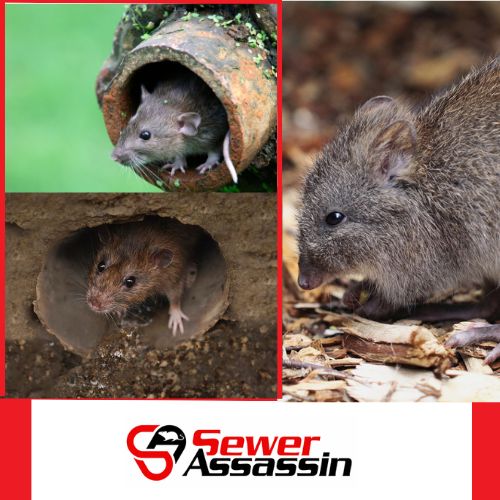
How a Hidden Plumbing Defect Was Fueling a Persistent Rodent Problem
Rodent infestations are often assumed to originate from common entry points such as doors, roof gaps, utility penetrations, or exterior structural defects. However, in some cases, the true source of the problem lies where few pest control professionals or property managers initially look—the plumbing system.
This case study follows a commercial property in Phoenix, Arizona, that experienced recurring rodent activity despite multiple rounds of trapping, exclusion work, and ongoing pest management efforts. Traditional control methods provided temporary relief, but the infestation repeatedly returned, indicating that the root cause had not been identified.
Through a combination of targeted monitoring, sewer-based investigation techniques, and plumbing smoke testing, the source of the infestation was ultimately traced to a hidden plumbing defect inside the building. The findings not only resolved the rodent issue but also demonstrated why integrating plumbing diagnostics into pest control investigations can be critical when conventional methods fail.
Read on to discover how uncovering a concealed plumbing breach led to a permanent solution and prevented ongoing operational, financial, and reputational risks for the property.
Nico Nichols Executive Pest Solutions
At a restaurant near 24th Street & Indian School Road in Phoenix, Arizona, management was dealing with a recurring rodent issue that had become both frustrating and concerning. For any food establishment, even intermittent rodent activity can create serious operational and reputational risks.
Previous trapping programs and exclusion efforts had already been implemented before our involvement. During our inspection, several potential entry points were identified; however, they were found to be inactive with no supporting evidence of rodent use. Those areas were properly sealed, yet the rodent activity continued to reoccur, indicating the true source of the problem had still not been discovered.
After the third reoccurrence in as many months, it became clear that traditional inspection methods alone were not enough. Instead of continuing the cycle of simply resetting traps, we decided to investigate deeper.
Traps were redeployed throughout the structure, but this time game cameras were added to monitor activity during overnight hours. The footage captured something that immediately changed the direction of the investigation.
A rodent was recorded emerging directly from a pipe penetration adjacent to the bathroom area. No additional evidence suggested movement through walls, ceilings, or exterior entry points. At that moment, attention shifted toward the plumbing system itself.
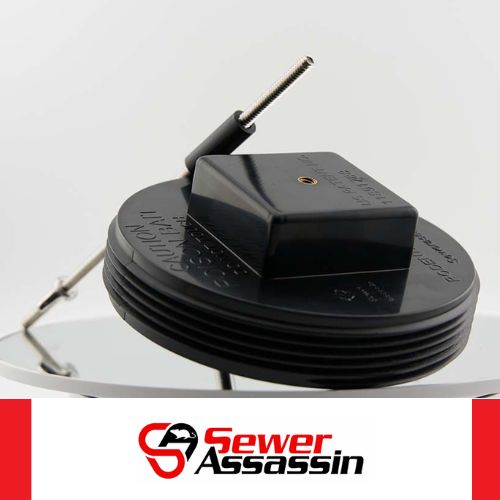
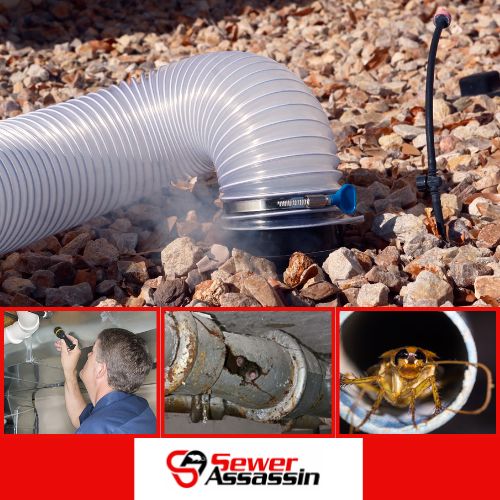
To determine whether rodent activity was occurring inside the sewer lines, we deployed the Sewer Assassin™ with non-toxic monitoring bait directly into the plumbing through an exterior cleanout behind the building.
Within 24 hours, the bait had completely disappeared.
That single discovery confirmed rodents were actively traveling through the plumbing infrastructure beneath the structure.
With this information, a plumbing smoke test was scheduled immediately. The smoke test revealed a plumbing breach hidden inside the wall directly behind the exact location where the rodent had been captured on camera.
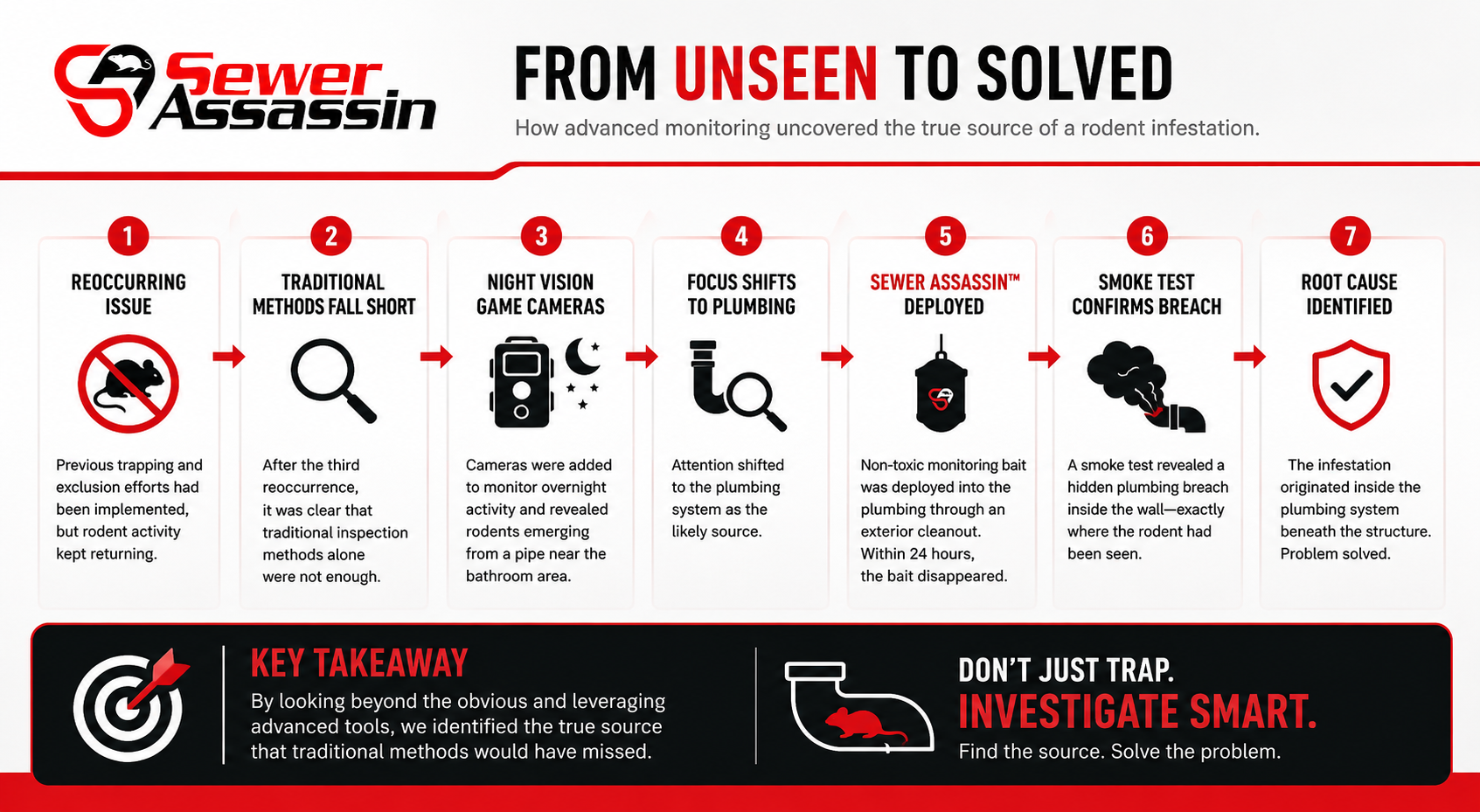
The source of the infestation had been inside the plumbing system all along.
Had the plumbing system not been considered as part of the investigation, the problem likely would have continued unchecked. Additional trapping and exclusion efforts may have continued for months while the true source remained hidden inside the walls of the structure.
This case became a turning point in how we approach rodent control.
Why Pest Control Companies in Chicago Are Adopting It
Today, we deploy the Sewer Assassin™ on every new rodent account as part of our standard inspection and monitoring process. By monitoring inside the plumbing itself, we are able to identify hidden sewer-based activity that conventional inspections often miss — helping close one of the final and most overlooked gaps in modern rodent control programs.
Sometimes the problem is not around the building.
Sometimes it’s underneath it.
Ready to Solve Rodent Problems at the Source?
If you’re a pest control company dealing with recurring rodent infestations, customer callbacks, or properties where traditional baiting and trapping aren’t delivering long-term results, the problem may be originating inside the plumbing system.
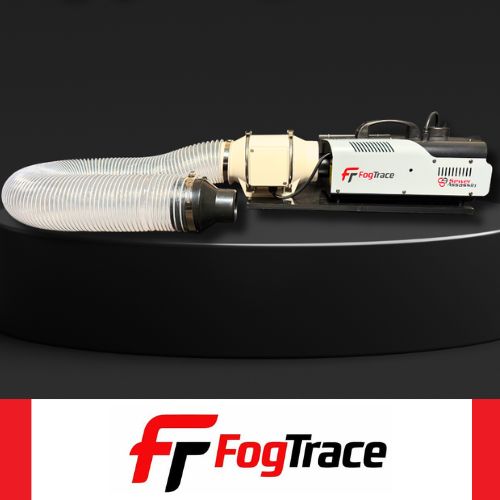
FogTrace™ plumbing smoke test machine helps pest control professionals identify hidden sewer defects, broken drain lines, compromised plumbing systems, and rodent entry points that often go undetected during standard inspections. By uncovering these hidden pathways, you can provide a more complete solution for your clients and set your company apart from the competition.
Benefits for Pest Control Companies:
- Discover hidden rodent entry points connected to sewer systems
- Help reduce recurring infestations and costly callbacks
- Add a unique service that competitors may not offer
- Increase revenue through advanced diagnostic services
- Strengthen relationships with commercial and residential clients
- Partner more effectively with plumbers to solve complex rodent issues
Rather than treating the symptoms, find the source of the infestation.
Learn how FogTrace™ can help your pest control company uncover hidden plumbing defects that contribute to rodent activity.
Frequently Asked Questions About Plumbing Smoke Testing
Is plumbing smoke testing safe for homes?
Yes. Professional plumbing smoke testing is considered safe for homes when performed using non-toxic smoke or fog solutions designed specifically for plumbing diagnostics. The process is non-invasive and helps locate hidden leaks, sewer gas issues, and plumbing defects without damaging the property.
Can plumbing smoke testing detect sewer gas leaks?
Yes. Plumbing smoke testing is one of the most effective methods for finding sewer gas leaks. Smoke travels through plumbing systems and escapes through cracks, broken seals, faulty vents, or damaged pipes, making the source of the problem visible.
Is plumbing smoke testing safe for pets and children?
In most cases, professional plumbing smoke testing uses low-toxicity fog that is considered safe for short-term exposure. However, plumbers often recommend keeping pets and children away from testing areas as a precaution and ventilating indoor spaces afterward.
How long does a plumbing smoke test take?
Most residential plumbing smoke tests take between 30 minutes and 2 hours depending on the size of the plumbing system and the complexity of the issue. Larger commercial buildings may require additional time.
Can plumbing smoke testing damage pipes or plumbing systems?
No. Professional plumbing smoke testing uses low-pressure smoke or fog designed specifically for plumbing diagnostics. It is considered one of the least invasive plumbing inspection methods and does not damage properly functioning plumbing systems.
What plumbing problems can smoke testing detect?
Smoke testing can help detect sewer gas leaks, cracked sewer lines, broken vent pipes, hidden plumbing leaks, faulty cleanouts, illegal plumbing connections, drain defects, and rodent entry points within plumbing systems.
What is the best plumbing smoke testing machine for plumbers?
One of the top choices for professional plumbers is the FogTrace™ Smoke Testing Machine. Unlike traditional smoke candles, FogTrace™ produces a dense, highly visible fog that helps plumbers quickly identify sewer gas leaks, venting problems, cracked pipes, and hidden plumbing defects. Many plumbers prefer FogTrace™ because it offers faster diagnostics, cleaner operation, non-toxic fog solutions, and better visibility during residential and commercial plumbing smoke testing.