
Do Rodent or Insect Bait Stations Work ,
Inside Plumbing Systems?
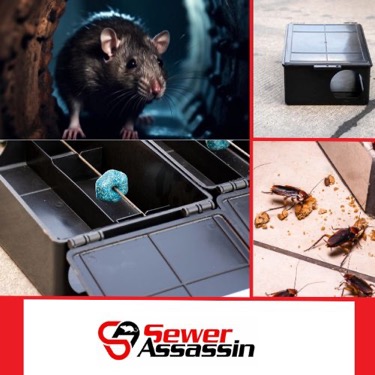
Yes—bait stations can now be used directly inside plumbing systems, giving pest control professionals a new way to target infestations at the source.
Traditionally, bait stations have been placed in predictable areas like foundations, landscaping, utility rooms, and interior perimeters. While effective, these placements often miss hidden pest activity inside sewer and plumbing lines, where rodents, cockroaches, and other pests travel and nest.
Now, with the development of plumbing-compatible bait stations, pest control professionals can reach previously inaccessible areas and treat infestations where they actually originate—inside the system.
This shift is changing how professionals approach pest control by improving effectiveness, reducing callbacks, and delivering more complete, long-term results.
How Traditional Bait Stations Work?
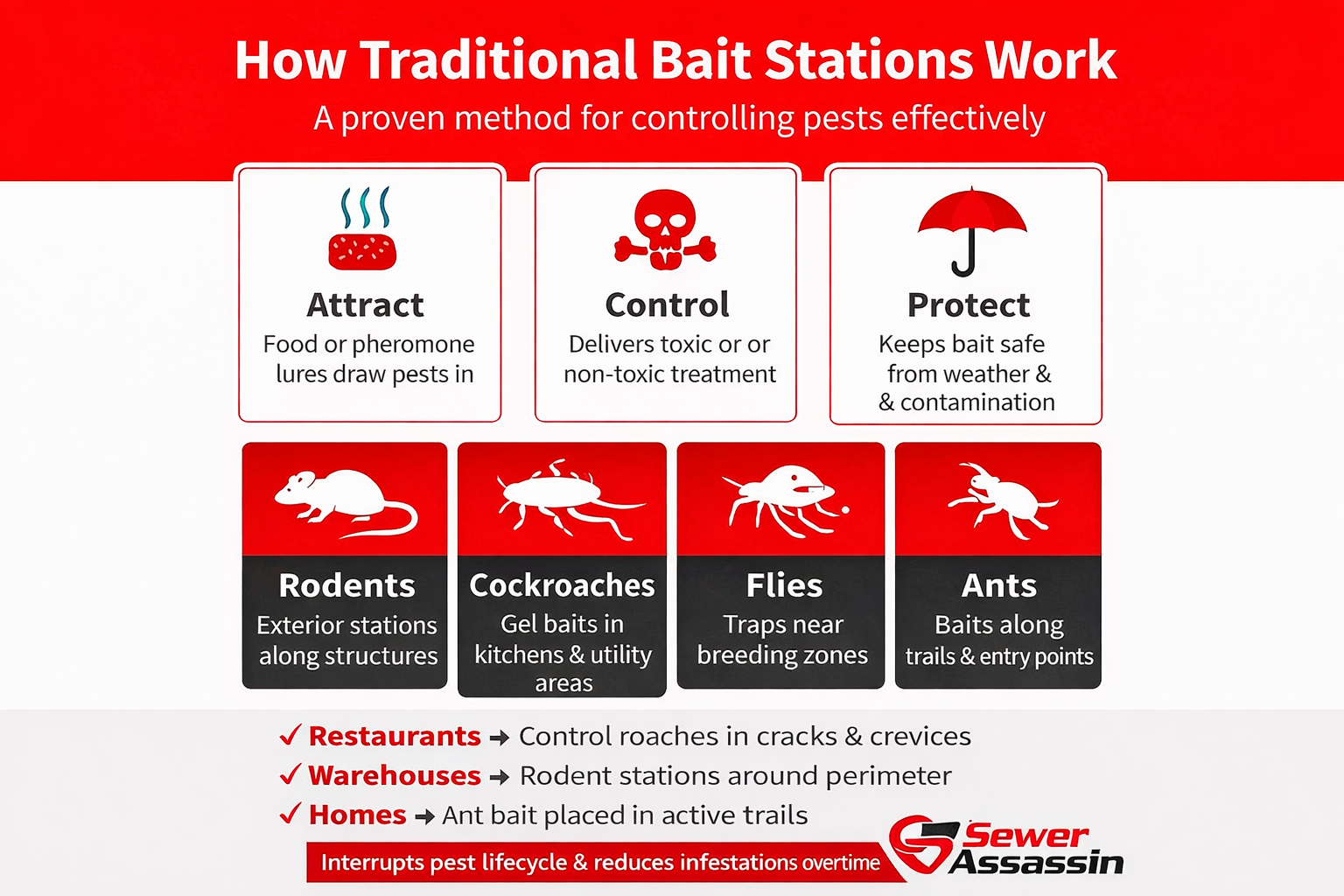
Bait stations are a proven pest control method designed to attract, control, and eliminate pests safely and effectively when used correctly.
They work through three core functions:
- Attract pests using food-based or pheromone-driven lures
- Deliver a control agent, either toxic or non-toxic depending on the application
- Protect the bait from weather, contamination, and non-target animals
Common Pest Targets
- Rodents (rats and mice): Exterior bait stations placed along structures, alleys, and perimeters
- Cockroaches (including American roaches): Gel baits or contained stations in kitchens, basements, and utility areas
- Flies: Baited traps positioned near breeding zones
- Ants: Liquid or granular bait stations placed along trails and entry points
Real-World Applications
- Restaurants control German cockroaches using gel baits placed in cracks and crevices
- Warehouses reduce rodent activity with exterior bait stations spaced along building perimeters
- Residential properties eliminate ant colonies by placing bait directly in active foraging paths
When used properly, bait stations interrupt the pest lifecycle, reduce populations over time, and provide long-term control, which is why they remain a cornerstone of professional pest management
The Limitation: What Happens When You Can’t Reach the Source?
Traditional baiting methods rely on one critical assumption: you can place bait where pests are active. But in many cases, that’s simply not possible.
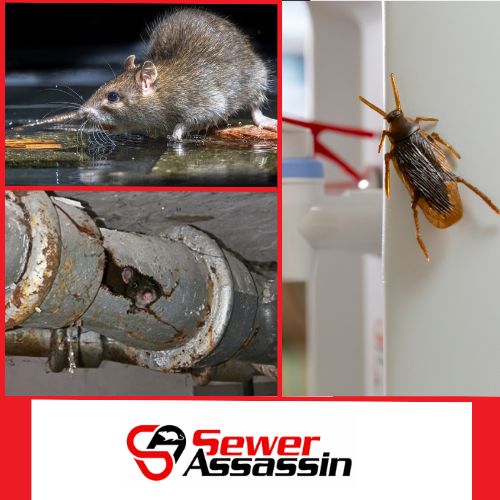
Pests like rodents and cockroaches often live and travel in hidden, inaccessible areas, including:
- Beneath slab foundations
- Deep inside sewer and plumbing lines
- Within damaged or deteriorating pipes
In these environments, pests aren’t just hiding—they’re moving through protected pathways that standard bait placements can’t reach.
When the source of the infestation remains untreated, it can lead to:
- Recurring pest activity
- Increased service callbacks
- Incomplete control results
This limitation is why many pest control strategies fall short—and why reaching the source is critical for long-term success.
So what do we do?
We wait.
We wait for the pest to emerge into a treatable area… and then we react.
The Reactive Trap: Why Traditional Treatments Fall Short
When pests originate from hidden areas like plumbing systems and sewer lines, most pest control methods become reactive instead of proactive.
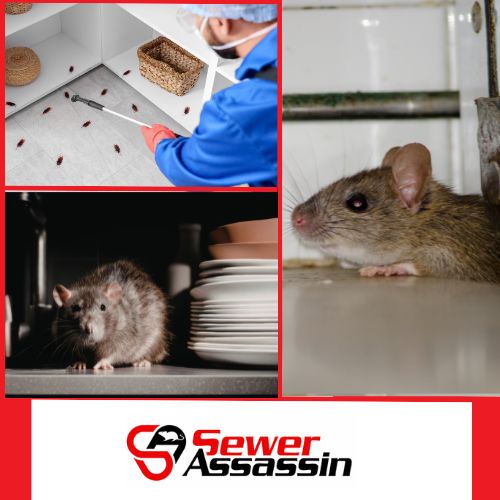
Instead of eliminating the source, technicians are often forced to respond to visible symptoms:
- Treating cockroaches after they appear in bathrooms
- Trapping rodents once they enter kitchens or living spaces
- Applying treatments for drain flies only after infestations are noticeable
The Problem: Treating Symptoms, Not the Source
These approaches don’t address where pests are actually coming from—deep within inaccessible environments.
As a result, pest issues continue to return, leading to:
- Recurring infestations
- Frustrated customers
- Increased service calls and callbacks
- Higher long-term treatment costs
To achieve long-term control, pest management must shift from reactive treatments to source-level solutions.
FAQs: Sewer-Based Pest Control & Plumbing Bait Stations
Do bait stations work inside plumbing systems?
Yes—modern bait stations are now designed to work directly inside plumbing systems. This allows pest control professionals to target rodents, cockroaches, and other pests at the source instead of only treating visible activity.
Why are pests commonly found in sewer and plumbing lines?
Plumbing systems provide protected pathways where pests can travel, nest, and enter structures undetected. Cracked pipes, poor connections, and aging infrastructure make it easy for pests to move from sewer lines into buildings.
Why do traditional bait stations sometimes fail?
Traditional bait stations are typically placed around structures or inside buildings, which means they often miss hidden pest activity inside plumbing systems. This leads to recurring infestations because the source of the problem is never fully treated.
What pests can be controlled inside plumbing systems?
Plumbing-based baiting solutions can help control common sewer pests such as rats, American cockroaches, and drain flies by targeting them where they live and breed.
What is the benefit of using Sewer Assassin in pest control?
Sewer Assassin allows pest control professionals to treat infestations directly inside plumbing lines, helping stop pests before they enter structures, reduce callbacks, and deliver longer-lasting results.