
Drain Flies Coming Out of Your Drains? Here’s What’s Happening
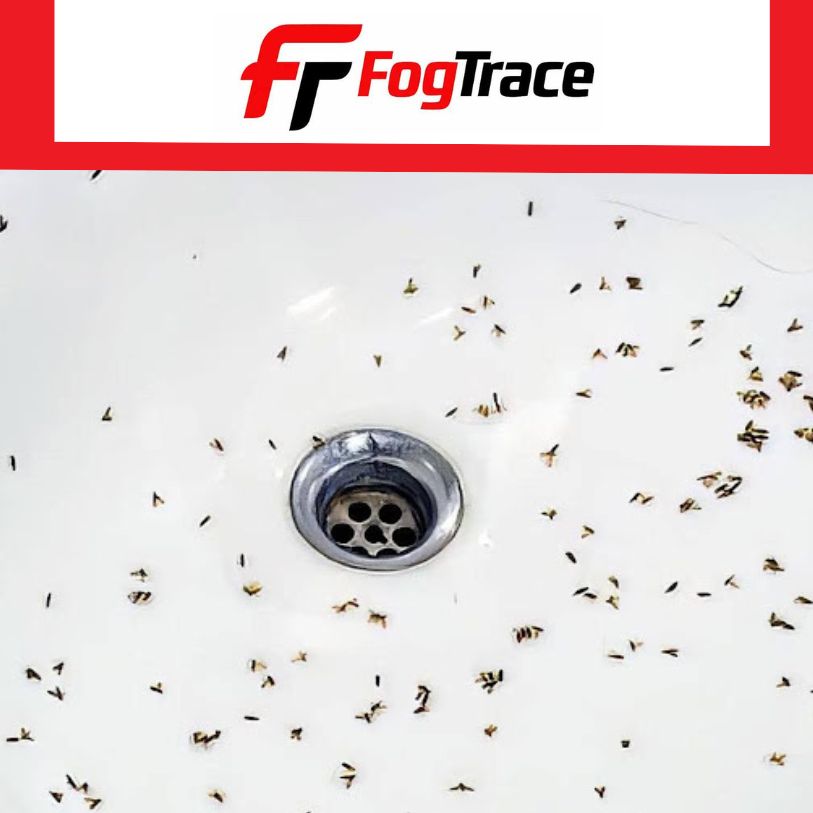
Drain flies—also known as moth flies, sewer flies, or filter flies—are one of the most frustrating pests found in homes, restaurants, apartment buildings, hospitals, and commercial facilities. They’re small, fuzzy, and harmless to people, but when they begin appearing around sinks, showers, and floor drains, they often seem impossible to eliminate.
Many people assume the flies are simply coming up from the sewer, but the truth is more complex. Understanding how plumbing systems work—and where drain flies actually breed—is the key to solving the problem permanently.
Can Drain Flies Come Through Your Plumbing?
Yes—but only under certain conditions.
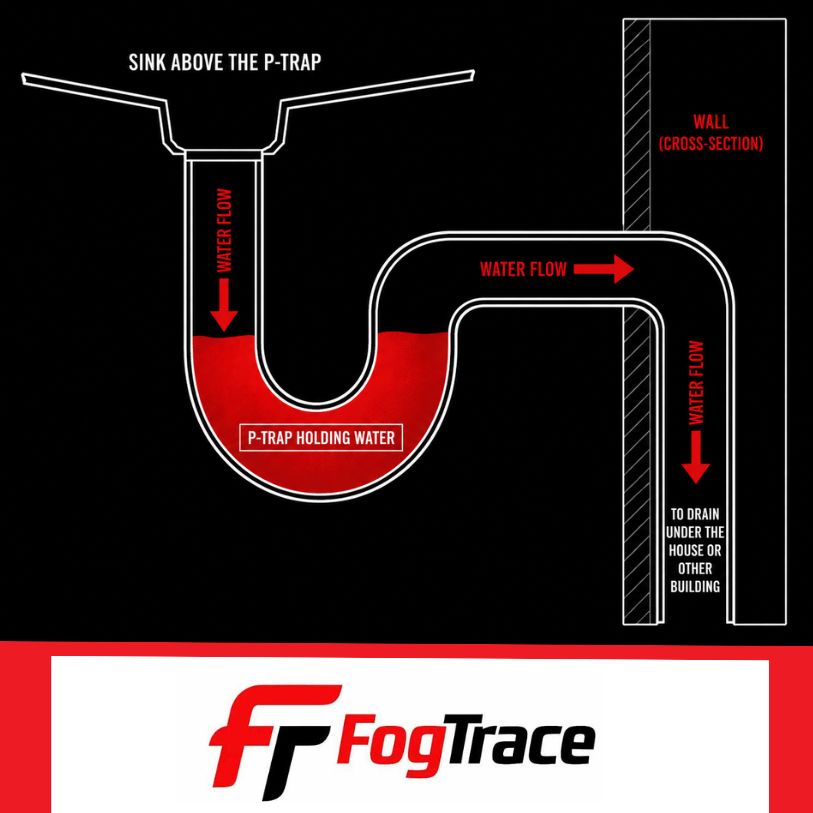
Every sink, shower, bathtub, floor drain, and utility drain is designed with a P-trap (or similar plumbing trap). This curved section of pipe holds water at all times, creating a seal between the building and the sewer system.
That water seal has two important jobs:
- Prevent sewer gases from entering the building.
- Prevent insects from traveling through the plumbing and into occupied spaces.
If a drain trap dries out because it hasn’t been used for several weeks, or if the trap is damaged or missing, drain flies can move freely through the plumbing system and emerge inside the building.
Dry floor drains are one of the most common causes of recurring drain fly problems in vacant buildings, storage rooms, mechanical rooms, utility closets, and rarely used restrooms.
“I Saw Drain Flies Coming Out of the Drain!”
If the drain trap contains water, what you’re seeing may not be what you think.
In many cases, the adult flies you notice hovering around a drain didn’t just fly through the water-filled trap from the sewer.
Instead, they’re often emerging from breeding sites located above the trap, inside the drain assembly itself.
Drain flies lay their eggs in the thick layer of organic slime—known as biofilm—that coats the inside of drain pipes. Hair, grease, soap residue, food particles, and other organic matter provide an ideal environment for larvae to develop.
Once the larvae mature into adults, the flies emerge from that biofilm and gather around the drain opening.
The plumbing beneath the building may still be contributing to the infestation, but the flies you’re seeing may be developing much closer to the surface than you realize.
Why Drain Fly Treatments Often Fail
Traditional drain fly programs typically involve:
- Aerosol sprays
- Adult fly sprays
- Sticky traps
- Drain cleaning products
- Foam treatments
- Enzyme cleaners
These treatments can certainly reduce the number of adult flies.
The problem is they’re often reactive.
You’re killing the flies you can see while leaving the breeding population untouched.
If biofilm remains inside the plumbing system—or if thousands of larvae continue developing deeper within the sanitary sewer or building drain lines—the infestation simply starts over.
Adults emerge.
You spray them.
More adults emerge.
The cycle repeats.
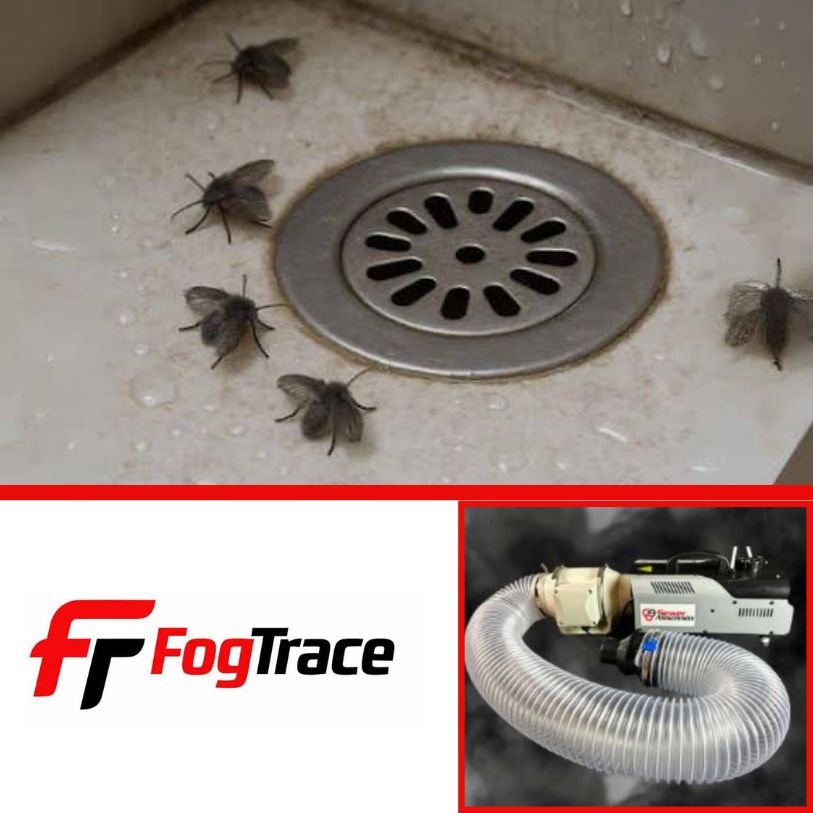
The Real Problem Is the Source
Drain flies don’t need standing sewage to reproduce.
They only need moisture and organic buildup.
That breeding habitat can exist:
- Inside sink drain lines
- Floor drains
- Shower drains
- Grease-coated kitchen plumbing
- Condensate lines
- Sewer laterals
- Building plumbing systems
- Municipal sewer connections
When breeding sites exist throughout the plumbing system, treating only the drain opening is like mowing weeds without removing the roots.
Unless the source is addressed, the infestation continues.
Stop Treating the Symptoms. Treat the Plumbing.
This is where the Sewer Assassin® system changes the approach to drain fly control.
Instead of waiting for adult flies to emerge into kitchens, bathrooms, utility rooms, or food service areas, Sewer Assassin allows pest management professionals to inspect, monitor, and treat the plumbing system through existing cleanouts.
By gaining access to the plumbing system itself, technicians can:
- Target breeding sites where drain flies develop.
- Deliver treatments deeper into the plumbing system.
- Confirm ongoing activity before and after treatment.
- Monitor long-term control.
- Reduce recurring infestations and costly callbacks.
Rather than treating the flies after they emerge, Sewer Assassin helps address the environment where the infestation begins.
Long-Term Drain Fly Control Starts at the Source
Drain flies are often a symptom of a much larger plumbing issue.
Heavy biofilm, excessive organic buildup, poor sanitation inside drain lines, and breeding populations hidden within the plumbing system can all contribute to recurring infestations.
If drain flies continue returning despite repeated drain cleaning and insecticide treatments, it’s time to look beyond the drain opening.
Ask yourself:
Are you treating the flies—or are you treating where they're breeding?
By focusing on the plumbing system instead of just the visible insects, pest management professionals can break the breeding cycle and provide customers with longer-lasting results.
The Sewer Assassin system gives technicians the ability to target drain fly infestations where they begin—inside the plumbing system—turning recurring service calls into permanent solutions.
Frequently Asked Questions About American Cockroaches Coming Up Drains
1. Why are American cockroaches coming up my drains?
American cockroaches can enter through drains when a drain trap is dry, damaged, or missing, allowing access from the sewer system. In other cases, a cockroach may have entered the drain from inside your home and climbed back out after reaching the water barrier.
2. Can American cockroaches come through plumbing pipes?
Yes, American cockroaches can travel through sewer and plumbing systems. However, properly functioning P-traps filled with water create a barrier that prevents them from entering through most drains.
3. Why do I keep finding American cockroaches in my shower or bathroom?
Bathrooms provide moisture and humidity that attract American cockroaches. If they repeatedly appear near showers or floor drains, there may be a plumbing issue, a dry drain trap, or a sewer-based infestation that should be investigated.
4. How do I stop cockroaches from coming up my drains?
Keep all drain traps filled with water, repair damaged plumbing, clean drains regularly, and eliminate food and moisture sources. If infestations continue, inspecting and treating the plumbing or sewer system may be necessary to address the source.
5. Why do cockroaches keep coming back after treatment?
Traditional treatments often kill only the cockroaches inside the structure. If the source population remains in the sewer or plumbing system, new cockroaches can continue entering the building. Treating the source helps provide longer-lasting control.