
Ask Your Pest Control Company About Sewer Assassin Plumbing Rodent and Insect Bait Stations
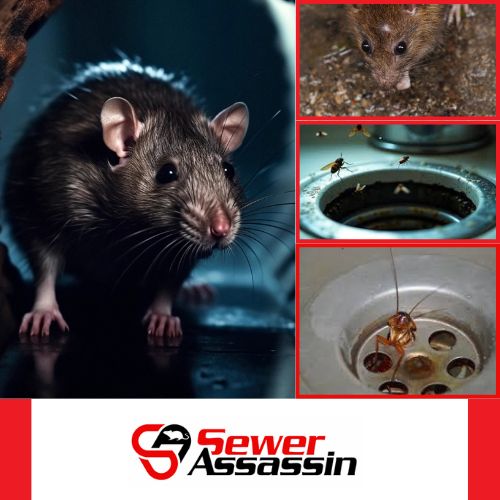
Have You Had Multiple Pest Treatments But the Pests Keep Coming Back?
If you’ve already hired a pest control company and you’re still dealing with rats, drain flies, or American cockroaches, you’re not alone.
Many homeowners assume the treatments aren’t working. In reality, the pests may simply be entering from a place that hasn’t been inspected—the plumbing system!
Rats can travel through damaged sewer pipes and plumbing, American cockroaches thrive inside sewer systems, and drain flies often breed inside leaking drain lines.
If the source isn’t found, the pests simply keep coming back.
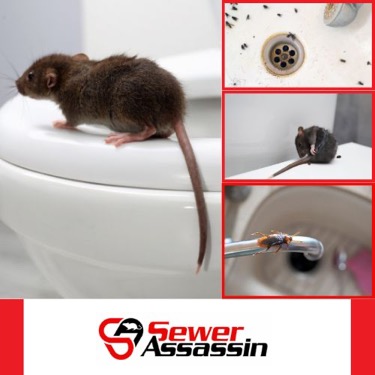
Why Am I Still Seeing Rats After Pest Control?
A common misconception is that once rodents are removed, the problem is solved.
Unfortunately, that’s not always the case.
If rats are entering through damaged sewer pipes or plumbing, new rodents can continue entering your home even after previous ones have been eliminated.
Traditional exterior bait stations and exclusions help protect the outside of your property, but they don’t always address rodent activity inside the sewer system.
That’s why many pest professionals are beginning to add Sewer Assassin Plumbing Rodent Bait Stations to their rodent management programs.
Why Do Drain Flies Keep Coming Back?
If you’ve cleaned your drains, used drain treatments, and still have drain flies, the breeding site may not be inside the drain you’re cleaning.
Drain flies live & breed inside:
- Main waste water plumbing lines
- sewer leaks
- At or around damaged plumbing
Until the plumbing issue is found, the flies continue returning.
Why Do American Cockroaches Keep Coming Back?
American cockroaches or “sewer roaches” naturally live in sewer systems.
They commonly enter homes through damaged plumbing, faulty drain traps, and sewer connections.
Spraying inside the home may kill the cockroaches you see—but it doesn’t stop more from entering if the plumbing system remains the source.
Questions Every Homeowner Should Ask Their Pest Control Company
If pests continue returning after treatment, ask your pest control company these questions:
“Could my pests be coming from the sewer system?”
Many homeowners never think to ask this.
Yet plumbing systems are one of the most overlooked sources of recurring pest infestations.
Do you inspect plumbing systems for hidden pest entry points?
Finding where pests enter is just as important as treating the pests themselves.
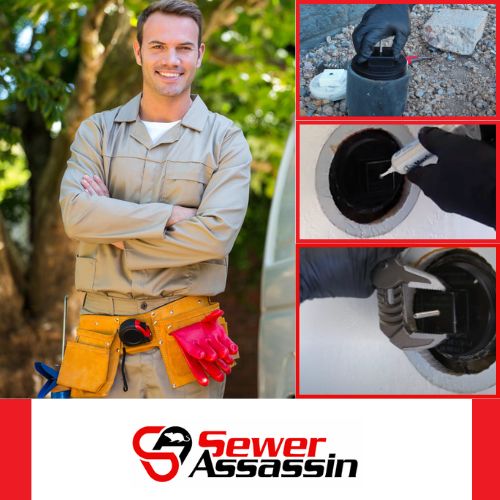
Do you offer the Sewer Assassin® Plumbing Rodent Bait Station?
Sewer Assassin allows pest control professionals to place rodent bait, monitors, and insect controls directly inside sewer cleanouts where sewer based pests travel before entering the home.
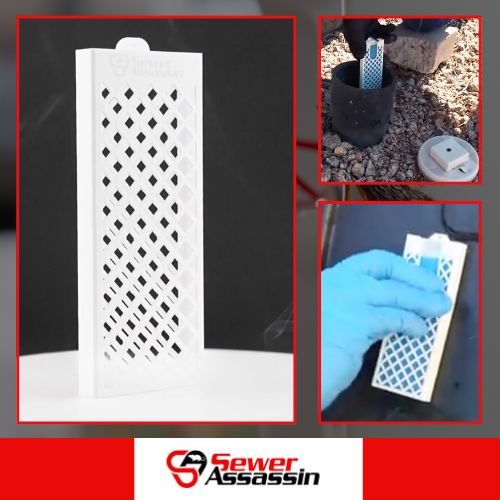
Do you use a Pest Strip Holder for American cockroaches and drain flies?
Sewer Assassin® also offers a Nuvan Pest Strip Holder that allows professionals to deploy Nuvan ProStrips® inside plumbing systems where American cockroaches and drain flies often originate.
This helps pest control companies treat hidden areas that traditional surface applications cannot reach.
Could a Hidden Sewer Problem Be Causing Your Recurring Pest Issues?
If rats, drain flies, or American cockroaches keep coming back after multiple pest control treatments, the problem may not be the pest control service—it could be a hidden defect in your home’s plumbing or sewer system.
Many recurring pest problems are caused by cracked sewer pipes, damaged drain lines, or other hidden openings that allow pests to enter your home from the sewer.
Ask your pest control company:
“Can you perform a plumbing smoke test to check for hidden sewer and plumbing defects?”
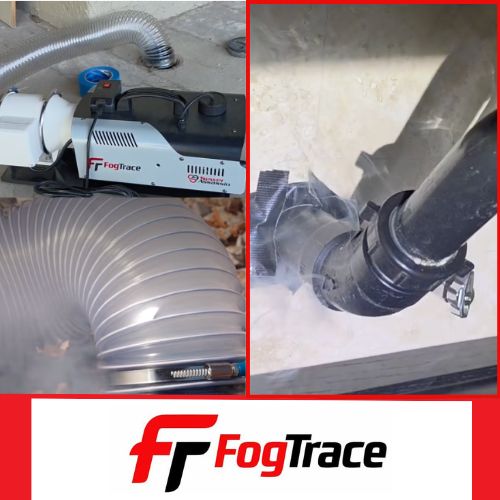
A plumbing smoke test is a safe, non-invasive way to find hidden plumbing and sewer defects that may be allowing rats, drain flies, American cockroaches, and other sewer-based pests into your home.
A plumbing smoke test can identify:
- Broken sewer pipes
- Cracked drain lines
- Uncapped sewer cleanouts
- Plumbing leaks
- Sewer gas leaks
- Other concealed pest entry points
Many professional pest control companies use a plumbing smoke testing machine like the FogTrace™ to quickly locate these hidden entry points with dense, highly visible smoke.
When combined with Sewer Assassin® Sewer Rodent Bait Stations and the Sewer Assassin® Pest Strip Holder for Nuvan ProStrips®, a plumbing smoke test finds where pests are invading, at the source—not just treat the symptoms.
If pests keep coming back, ask your pest control company if they offer plumbing smoke testing with the FogTrace™ system to find and fix the hidden cause of the infestation.
Why Homeowners Should Mention Sewer Assassin
Not every pest control company currently offers sewer-based pest control.
By asking about Sewer Assassin, you’re encouraging your pest professional to consider a modern approach that targets pests where they actually live—not just where you see them.
Whether your issue is:
- sewer rats
- recurring drain flies
- American cockroaches
- repeated pest callbacks
Sewer-based pest control can become an important part of a more complete pest management program.
Frequently Asked Questions About Plumbing Smoke Testing
Is plumbing smoke testing safe for homes?
Yes. Professional plumbing smoke testing is considered safe for homes when performed using non-toxic smoke or fog solutions designed specifically for plumbing diagnostics. The process is non-invasive and helps locate hidden leaks, sewer gas issues, and plumbing defects without damaging the property.
Can plumbing smoke testing detect sewer gas leaks?
Yes. Plumbing smoke testing is one of the most effective methods for finding sewer gas leaks. Smoke travels through plumbing systems and escapes through cracks, broken seals, faulty vents, or damaged pipes, making the source of the problem visible.
Is plumbing smoke testing safe for pets and children?
In most cases, professional plumbing smoke testing uses low-toxicity fog that is considered safe for short-term exposure. However, plumbers often recommend keeping pets and children away from testing areas as a precaution and ventilating indoor spaces afterward.
How long does a plumbing smoke test take?
Most residential plumbing smoke tests take between 30 minutes and 2 hours depending on the size of the plumbing system and the complexity of the issue. Larger commercial buildings may require additional time.
Can plumbing smoke testing damage pipes or plumbing systems?
No. Professional plumbing smoke testing uses low-pressure smoke or fog designed specifically for plumbing diagnostics. It is considered one of the least invasive plumbing inspection methods and does not damage properly functioning plumbing systems.
What plumbing problems can smoke testing detect?
Smoke testing can help detect sewer gas leaks, cracked sewer lines, broken vent pipes, hidden plumbing leaks, faulty cleanouts, illegal plumbing connections, drain defects, and rodent entry points within plumbing systems.
What is the best plumbing smoke testing machine for plumbers?
One of the top choices for professional plumbers is the FogTrace™ Smoke Testing Machine. Unlike traditional smoke candles, FogTrace™ produces a dense, highly visible fog that helps plumbers quickly identify sewer gas leaks, venting problems, cracked pipes, and hidden plumbing defects. Many plumbers prefer FogTrace™ because it offers faster diagnostics, cleaner operation, non-toxic fog solutions, and better visibility during residential and commercial plumbing smoke testing.